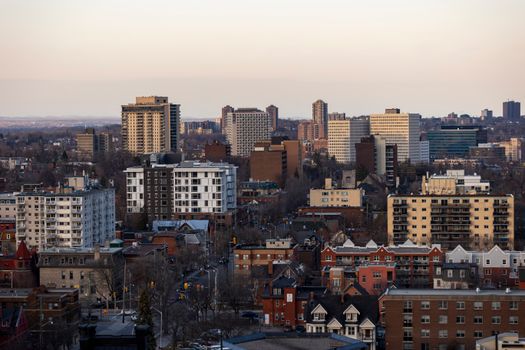
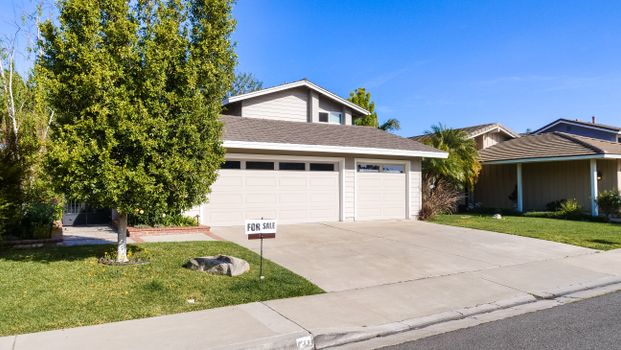
Ottawa's east end has quietly become one of the city's most talked-about real estate corridors, and Orléans sits at the centre of that conversation. Once considered a bedroom community for federal government workers, Orléans has matured into a full-service suburb with its own identity, and its own set of housing market dynamics that buyers, sellers, and investors are paying close attention to in 2026.
Why Buyers Are Looking East
As prices in Centretown, Westboro, and the Glebe continue to put detached homes out of reach for many families, Orléans offers a compelling alternative. You can still find semi-detached homes and townhouses at price points that feel increasingly rare closer to the urban core. For first-time buyers and families upsizing from a condo, the east end represents one of the last pockets of relative affordability within Ottawa's city limits.
New builds continue to rise in communities like Avalon, Chapel Hill, and Cardinal Creek, adding supply that other established neighbourhoods simply cannot offer. That steady pipeline of new inventory has helped moderate price pressure compared to older, denser parts of the city, though prices have risen meaningfully over the past few years here as well.
A Francophone Heart
What makes Orléans distinct isn't just the price point: it's the culture. Orléans is home to one of the largest French-speaking communities outside of Quebec, and that identity is woven into daily life. French-language schools, community centres, and local services operate here in a way that's rare in English-majority Ontario. For Francophone families, especially those relocating from Quebec or from other parts of Canada, Orléans offers something Ottawa's trendier west-end neighbourhoods simply don't: a place where French is the first language in many households and institutions.
That community cohesion also contributes to neighbourhood stability, a factor that experienced real estate investors often weigh more heavily than short-term price swings.
The Commute Reality
The honest conversation about Orléans real estate always comes back to commuting. The opening of LRT Stage 2's east extension, with stations at Place d'Orléans, Jeanne d'Arc, Mer Bleue, and beyond, has been a genuine game-changer for residents who previously faced grinding bus or car commutes into downtown Ottawa. Rail access has made the east end substantially more competitive with suburbs that sit closer to the core.
That said, Orléans is a large and spread-out community, and not everyone lives within easy walking distance of a station. If you're in a newer subdivision on the eastern fringe, a car or a connecting bus ride is still part of the daily equation. Buyers should map their specific address against station locations before assuming LRT convenience applies to them.
What the Market Looks Like Now
Demand for detached homes in Orléans remains solid, driven by families and remote workers who no longer need to be downtown five days a week. The rental market has also tightened, making investment properties here more attractive than they were a few years ago. Condo development, while present, has not expanded as aggressively as in central Ottawa, which means single-family housing still dominates the neighbourhood's character.
Sellers in established pockets like Queenswood Heights and Convent Glen are generally seeing strong interest, particularly for well-maintained homes near good schools. The east end's reputation for newer infrastructure and larger lot sizes continues to draw buyers who want more space without leaving city limits.
The Bottom Line
Orléans is no longer a compromise destination. It's a deliberate choice for buyers who want community, space, and connectivity. The LRT has changed the math on commuting, the Francophone culture adds real value for the right buyers, and the housing stock remains more accessible than much of Ottawa's west end. If you're weighing where to plant roots in Ottawa in 2026, the east end deserves a serious look.
Source: Ottawa real estate market data 2026