Ottawa's Hidden Geological Risk
Ottawa is built on some of the most unstable ground in Canada, and a recent landslide in Orléans has brought that reality back into sharp focus. Beneath the city's streets, parks, and neighbourhoods lies a thick layer of sensitive clay, a legacy of the Champlain Sea that covered much of the Ottawa and St. Lawrence valleys roughly 10,000 years ago when glaciers retreated at the end of the last ice age.
Researchers studying the Orléans landslide say this so-called "sensitive clay" or "quick clay" is at the heart of what happened, and it's a phenomenon that has shaped the Ottawa Valley for millennia.
What Is Sensitive Clay?
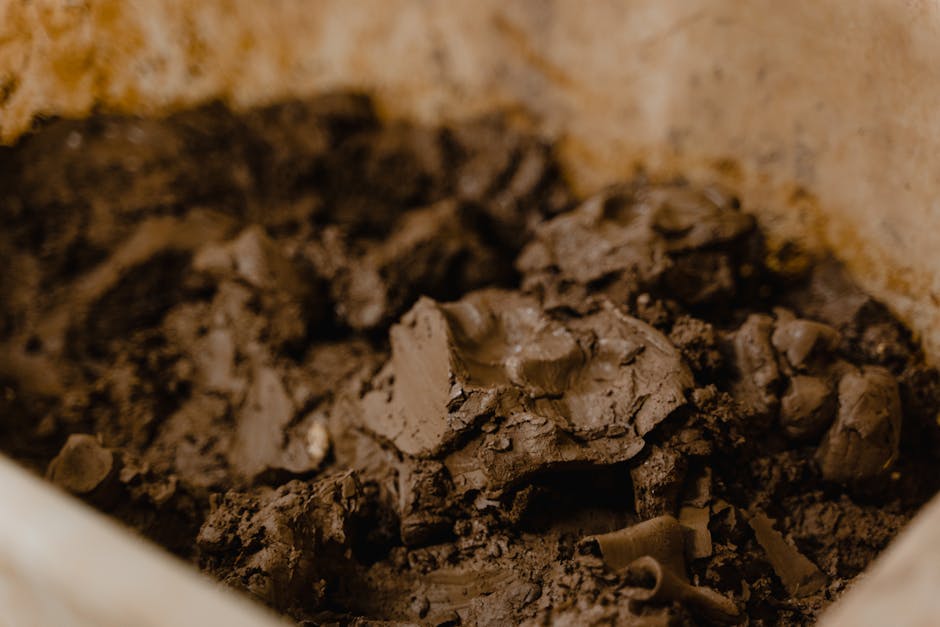
Sensitive clay is a type of marine sediment deposited on ancient seabeds. When it was first laid down, salt water kept its structure intact. But over thousands of years, freshwater from rain and snowmelt gradually leached out the salt, leaving behind a material that looks solid but can behave like liquid under the right conditions.
When this clay is disturbed, by erosion, construction, vibration, or heavy rainfall. It can lose its strength almost instantly and flow like a thick slurry. The result is a rapid, often catastrophic landslide that gives little warning.
Ottawa Valley: A Hotspot for Landslides
Researchers note that approximately 1,500 sensitive clay landslides have been documented across the Ottawa Valley, a sobering number that underscores how widespread this geological hazard truly is. However, only seven of those recorded events have occurred along the Ottawa River itself, making the Orléans incident a relatively rare, but not unprecedented, occurrence in that specific corridor.
The Ottawa Valley's geography makes it especially prone to these events. River valleys cut through thick clay deposits, and the natural erosion of riverbanks can gradually destabilize slopes over decades before a sudden failure occurs.
The Orléans Slide
The Orléans landslide drew attention to the vulnerability of communities built near the region's river valleys and ravines. While details of the specific triggering event are still being studied, the mechanics are well understood: once sensitive clay reaches its threshold, the failure can propagate rapidly through a slope in a matter of seconds.
For residents living near ravines, creeks, and riverbanks in the Ottawa area, including parts of Orléans, Leitrim, and other low-lying neighbourhoods. This is a real and ongoing concern.
What the City Is Doing
The City of Ottawa and provincial geotechnical agencies have long been aware of the sensitive clay hazard. Slope stability assessments are required for development near ravines, and monitoring programs exist in higher-risk areas. But researchers continue to push for more comprehensive mapping and updated risk assessments as climate change brings more intense rainfall events that can accelerate erosion and trigger slope failures.
For now, the Orléans landslide serves as a stark reminder that Ottawa's landscape, beautiful as it is, carries a hidden geological legacy that demands ongoing vigilance.
Source: Ottawa Citizen. Original reporting at ottawacitizen.com.

