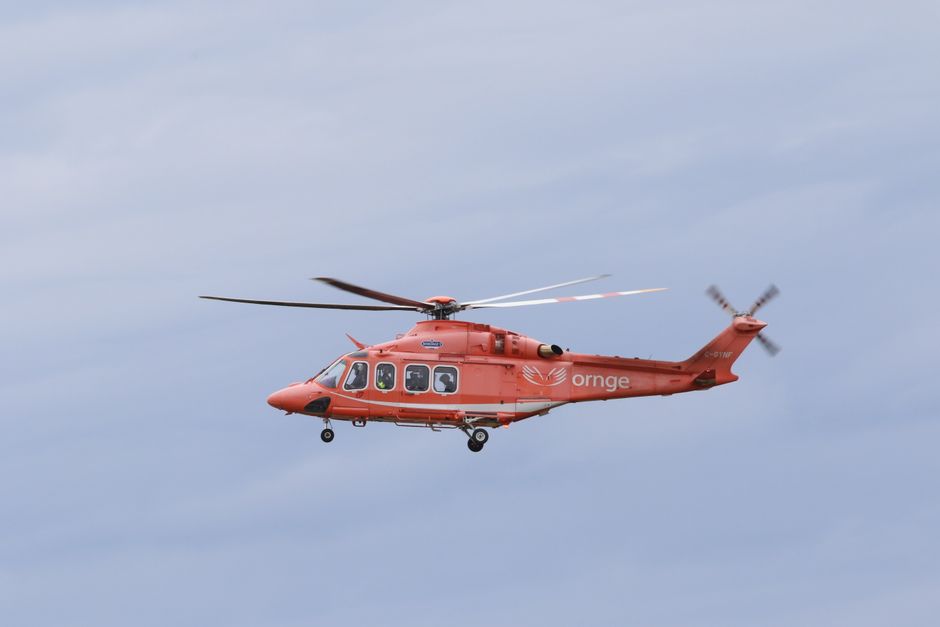
A Life-Saving Addition to Ottawa's Skies
Ottawa is home base for a major new development in emergency medical care: Ornge air ambulances operating across eastern Ontario are now equipped with blood supplies, allowing paramedics to begin transfusions in the air before patients reach the hospital.
CBC's Sannah Choi recently visited the Ornge hangar in Ottawa to get a first-hand look at the program, which marks a significant shift in how air ambulance crews can respond to life-threatening trauma.
Why Carrying Blood Matters
For patients suffering severe blood loss, from car accidents, falls, or other major trauma, every minute without a transfusion can be fatal. Traditionally, air ambulances stabilized patients en route but couldn't replace lost blood until arrival at a trauma centre.
With blood now on board, Ornge paramedics in eastern Ontario can start transfusions the moment they reach a patient, dramatically shrinking the window between injury and treatment. In rural and remote parts of the region, where ground transport to Ottawa hospitals can take an hour or more, that head start could mean the difference between life and death.
A New Partnership Driving the Change
The initiative is the result of a new partnership involving Ornge and regional health authorities. While full details of the collaboration are still being shared publicly, the Ottawa hangar is a key hub, the aircraft stationed here now carry packed red blood cells as standard equipment on eastern Ontario missions.
Blood-carrying air ambulance programs have been piloted in other provinces and internationally, with strong evidence showing improved survival rates for trauma patients. Ontario's adoption of this approach brings the province in line with best practices seen elsewhere in Canada and around the world.
What It Means for Eastern Ontario Communities
Eastern Ontario covers a vast area stretching from Ottawa out to smaller communities and rural townships. Residents in those areas have always relied on air ambulances when ground transport isn't fast enough, and now those same helicopters arrive better equipped than ever.
For Ottawans, it's also a reminder of the city's role as a regional medical hub. Ottawa's hospitals, including The Ottawa Hospital Civic and General campuses, are major trauma centres that receive patients from across the region. Getting those patients stabilized faster in the air means better outcomes on arrival.
Looking Ahead
Ornge has not yet announced whether the blood-carrying program will expand to other parts of Ontario beyond the eastern region, but the early rollout in Ottawa and surrounding areas positions the province to gather data and potentially broaden the initiative.
For anyone who lives, works, or travels through eastern Ontario, the upgrade is a quiet but meaningful improvement to the emergency care safety net that operates above our heads every day.
Source: CBC Ottawa. Original report by Sannah Choi.

