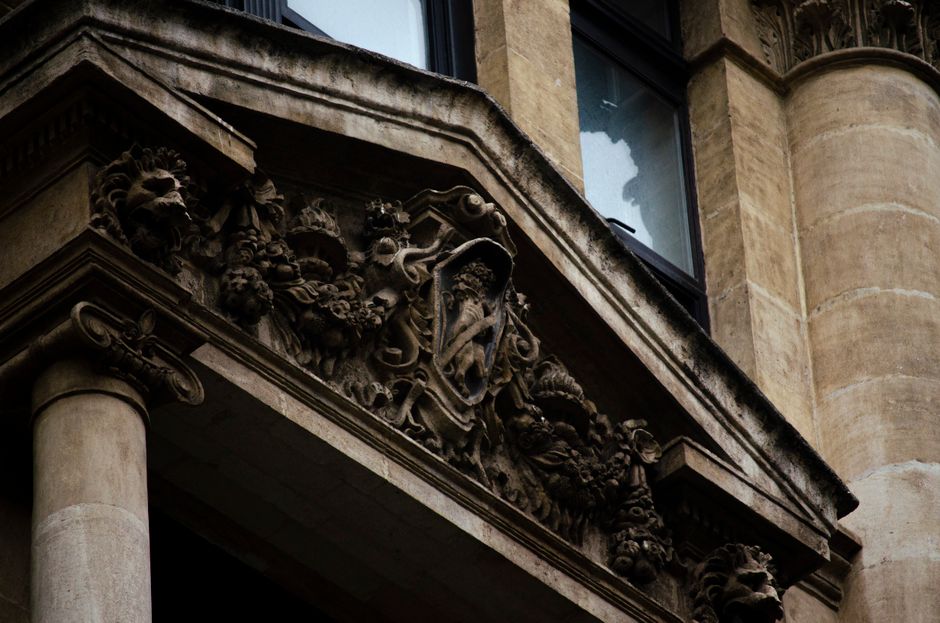
Ottawa's Parliament Hill is one of the most recognizable skylines in North America, and the Gothic Revival buildings that crown it have been shaping Canada's identity since before Confederation itself.
Built for a New Nation
Construction on the original Parliament Buildings began in 1859, two years before Canada became a country, on a bluff overlooking the Ottawa River known as Barracks Hill. The federal government selected a Gothic Revival design, drawing on the medieval parliamentary tradition of Westminster to signal that the young colony was serious about its democratic ambitions.
The main building complex, Centre Block, East Block, and West Block, was largely complete by 1876. Architects Thomas Fuller and Chilion Jones led the Centre Block design, producing a sprawling sandstone structure topped with a distinctive Victoria Tower. The East Block, home to original Cabinet offices and the Privy Council Chamber, survives today as one of Canada's most intact examples of Victorian-era government architecture.
The Night Everything Burned
On February 3, 1916, disaster struck. A fire broke out in the Reading Room of Centre Block and tore through the building overnight, killing seven people and reducing most of the structure to rubble. Only one part survived intact: the Library of Parliament, saved when a librarian thought quickly and closed its iron doors just before the flames reached it. The circular, wood-panelled library, its shelves lined with thousands of volumes, still stands today as a haunting reminder of what was almost lost.
Rebuilding began almost immediately. The new Centre Block, completed in 1922, replaced the old Victoria Tower with the Peace Tower, a 92.2-metre limestone spire housing a 53-bell carillon and a Memorial Chamber honouring Canada's war dead. The design, led by architects John Pearson and J.O. Marchand, kept the Gothic vocabulary while adding soaring scale.
A Living Heritage Site
For most Canadians, Parliament Hill is a living landmark, the backdrop for national celebrations, political milestones, and the beloved Changing of the Guard each summer. Ottawa residents and visitors from around the world flock to the Hill for Canada Day fireworks, the annual Christmas Lights Across Canada display, and free public tours that run almost year-round.
But the buildings are also aging. Centre Block is currently undergoing a massive multi-decade rehabilitation project, the most significant restoration in the complex's history. Workers are methodically repairing sandstone facades, replacing mechanical systems, and restoring interior spaces to their original grandeur, all while the House of Commons operates temporarily out of the West Block.
What to See Right Now
While Centre Block remains closed to the public during construction, Ottawa visitors can still explore the East Block (with guided tours in season), admire the Peace Tower from the grounds, and walk through the ceremonial forecourt. The Library of Parliament occasionally opens for special tours, worth checking before your visit.
For anyone who wants to go deeper, Britannica's recent feature on the architectural history of the Parliament Buildings offers a detailed look at the design decisions, the 1916 fire, and the Gothic Revival tradition that makes the Hill such a striking presence on the Ottawa skyline.
Source: Britannica via Google News Ottawa

