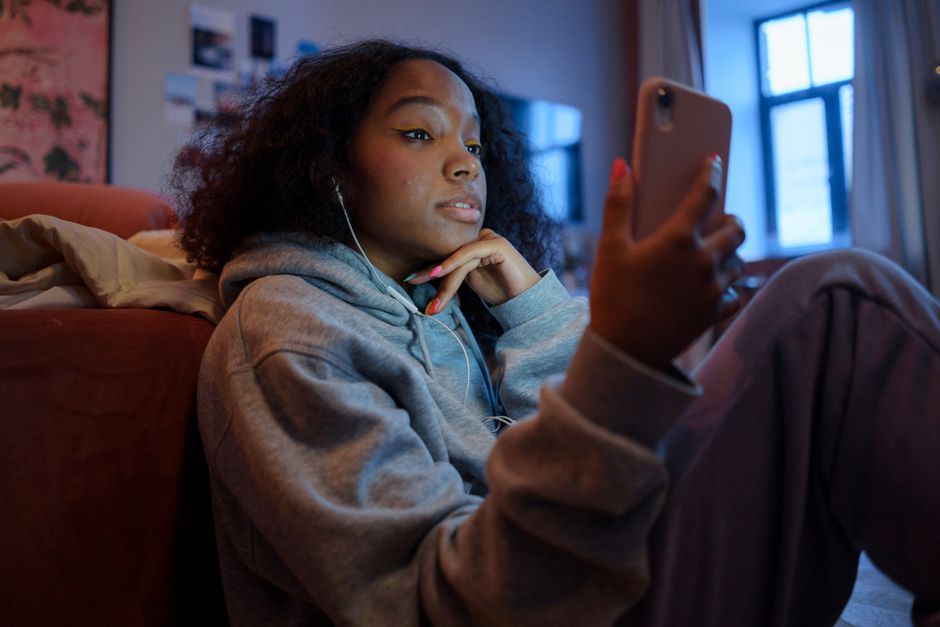
Ottawa parents scrolling through their kids' feeds might find some unexpected backup from an unlikely source: a Silicon Valley CEO. Pinterest's chief executive Bill Ready is making waves this week by publicly calling on governments around the world to ban social media access for users under the age of 16, and he's not mincing words about why.
'This Is the Tobacco Moment for Tech'
Ready's argument is blunt: social media is to children what tobacco and alcohol are to adults, potentially harmful products that society has decided require age-based legal guardrails. In his view, platforms left to police themselves have proven they won't do enough, and the responsibility needs to shift to lawmakers.
It's a striking stance coming from someone who runs a social platform, though Pinterest has long positioned itself as a safer, less algorithmically toxic alternative to competitors like TikTok and Instagram.
Why This Matters for Ottawa Families
For Ottawa parents, this isn't an abstract debate. Canada is already grappling with how to regulate youth access to social media, and Ready's call adds fuel to a conversation that's been building in Parliament for months. Ontario has seen growing advocacy from school boards and parent groups pushing for stricter phone and social media policies, some Ottawa-area schools have already implemented no-phone rules during school hours.
Ottawa child psychologists and educators have increasingly flagged links between heavy social media use and rising rates of anxiety, depression, and sleep disruption in teens. A ban at the platform level, enforced by law rather than by a teenager's self-control, is exactly what many local advocates have been demanding.
What a Ban Would Actually Look Like
Ready didn't lay out a specific technical roadmap, but similar proposals in other countries have involved age verification systems, parental consent requirements, or platform-level enforcement mechanisms. Australia passed legislation in late 2024 banning social media for children under 16, becoming one of the first countries to do so, and Canada has been watching closely.
Critics point out the technical and privacy challenges: verifying age without collecting sensitive personal data is genuinely hard. Civil liberties advocates also raise concerns about over-restriction and the role platforms like social media play in LGBTQ+ youth finding community and support.
Pinterest's Own Record
It's worth noting that Pinterest isn't a neutral party here. The platform has made a deliberate effort to distinguish itself from the mental health controversies surrounding Meta and TikTok, investing in what it calls a more positive, interest-driven experience. Ready's public advocacy benefits Pinterest's brand even as it critiques the broader industry.
Still, the fact that a major platform CEO is openly calling for government regulation rather than fighting it marks a notable shift in how tech leadership is talking about the issue.
The Conversation Is Only Getting Louder
For Ottawa families navigating screen time rules, this is one more signal that the regulatory tide may be turning. Whether Canada moves toward an Australia-style hard ban or something more nuanced, the pressure on both governments and platforms is clearly intensifying.
Keep an eye on federal and provincial developments. This one isn't going away.
Source: TechCrunch