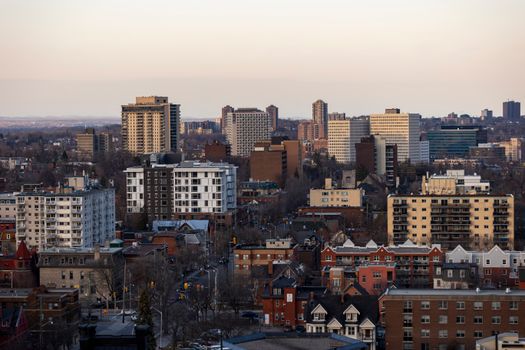
Ottawa's east end is getting another vote of confidence from the development community, with a new two-tower residential proposal targeting land near the future Place D'Orléans LRT station, a sign that transit-oriented development is alive and well in the capital.
What's Being Proposed
A two-tower residential development has been put forward for a site in the Place D'Orléans area, positioned to take advantage of the upcoming LRT station that will eventually connect the east end to Ottawa's broader rapid transit network. While full project details are still emerging, the proposal fits a pattern seen across the city: developers betting big on land near future transit stops before the trains even start running.
This kind of transit-adjacent development is exactly what city planners and housing advocates have been pushing for, dense residential within walking distance of rapid transit, reducing car dependency and making efficient use of infrastructure investment.
Why Place D'Orléans?
Place D'Orléans is one of Ottawa's larger suburban commercial hubs, anchored by a major shopping centre and surrounded by established residential neighbourhoods. It's also a community that has historically been car-oriented, making the arrival of LRT a potentially transformative moment for the area.
With the Confederation Line extension pushing eastward, Place D'Orléans is set to become a genuine transit node, and developers are clearly paying attention. Getting in early, before the station opens, means acquiring land at lower prices and being ready to welcome residents the moment rapid transit arrives.
The Bigger Picture for Ottawa Housing
Ottawa is under significant pressure to add housing supply, and transit corridors have become the primary battleground for that growth. The city's Official Plan explicitly calls for higher-density development along rapid transit lines, and proposals like this one in Orléans are the natural result of that policy direction.
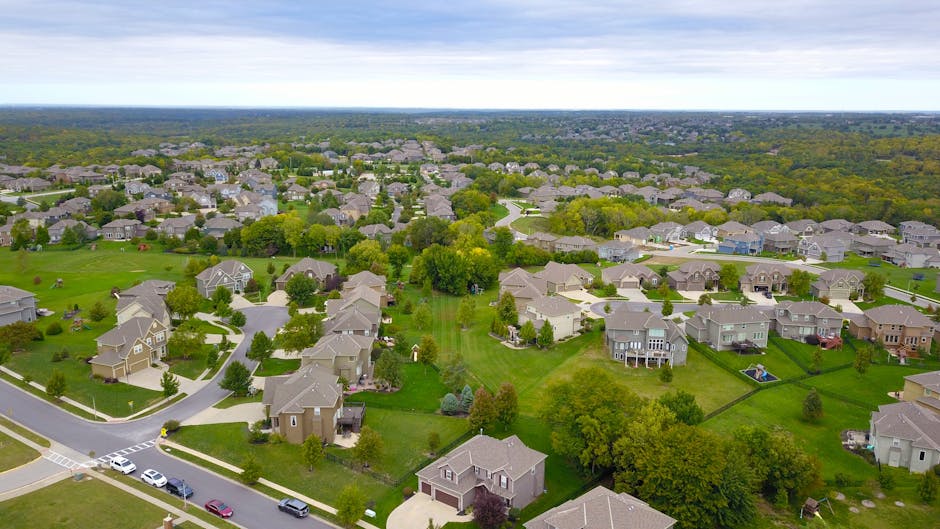
For longtime east-end residents, the changes can feel fast. Orléans has long been one of Ottawa's largest francophone communities, a sprawling, family-friendly suburb that prided itself on a quieter, lower-density lifestyle. But with housing demand pushing outward from the urban core and LRT bringing the rest of the city closer, intensification is increasingly part of the local conversation.
What Comes Next
The proposal will need to work its way through Ottawa's planning approval process, which typically involves community consultation, review by city staff, and a decision by the planning committee and council. Residents near the site will have opportunities to weigh in on building heights, design, and neighbourhood fit.
For those watching Ottawa's housing market, this is another data point in a clear trend: wherever the LRT goes, towers tend to follow.
Source: Ottawa Business Journal