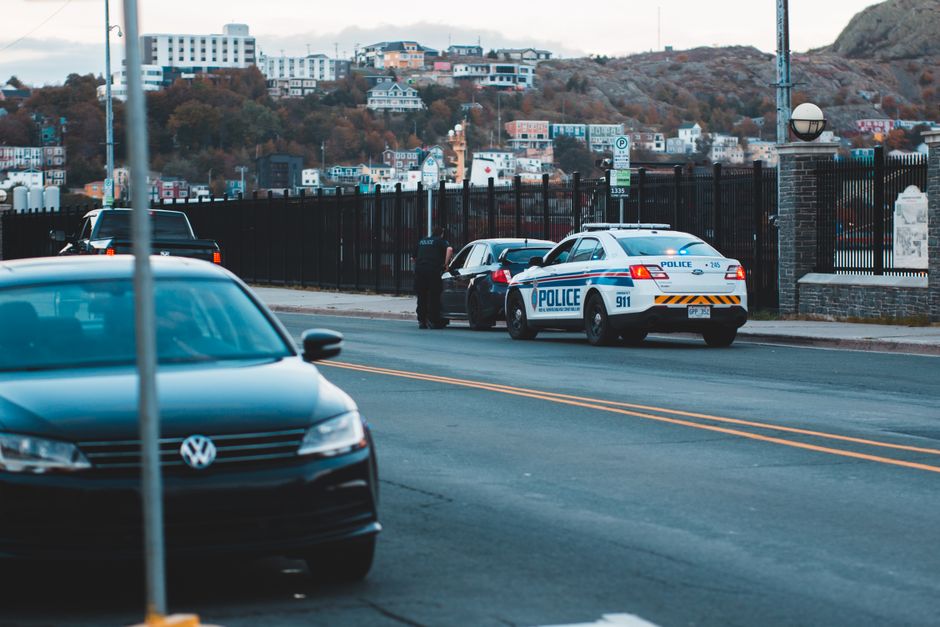
Ottawa residents are once again caught in a familiar bind: local taxpayers absorbing the financial fallout of policing events driven by federal and international affairs.
The Ottawa Police Service has identified $6.5 million in unreimbursed protest-policing costs as a significant contributor to its 2025 budget deficit, accounting for more than one-fifth of the total shortfall. The costs stem from the service's deployment of officers to demonstrations related to the Israel-Palestinian conflict, for which the federal government declined to provide compensation.
A Pattern That Keeps Repeating
This isn't the first time Ottawa has found itself in this position. As the nation's capital, the city routinely hosts large-scale protests and political demonstrations that are national or international in character, yet the costs of managing them fall squarely on municipal shoulders.
The Ottawa Police Service has long argued that policing events tied to federal issues, foreign policy, national politics, or parliament-adjacent activity: should come with federal funding. The federal government has historically been reluctant to formalize that reimbursement, leaving a recurring gap in the city's public safety budget.
What $6.5 Million Means for the City
To put the number in context: $6.5 million is real money in a municipal police budget. That's funding that could otherwise go toward community programs, equipment upgrades, or staffing. When those dollars are consumed by unplanned, unreimbursed deployments, something else has to give, whether that's a budget ask from city council or cuts elsewhere.
Ottawa's city council has repeatedly pressed the federal government on this issue, but results have been limited. The current deficit figure is likely to renew that pressure, especially as large-scale demonstrations show no signs of slowing down.
Who Should Pay?
The question of cost-sharing between municipalities and the federal government for protest policing is genuinely complicated. Cities like Ottawa bear a disproportionate burden simply because of geography, being home to Parliament Hill means being the default venue for national-level grievances.
Advocates for federal reimbursement argue that if Ottawa is being asked to police events rooted in federal policy decisions, the federal government should share the cost. Critics of blanket reimbursement worry it could create perverse incentives or open the door to disputes about which protests qualify.
For now, the $6.5 million gap sits on Ottawa's books, a tangible local consequence of global conflict and national politics.
What's Next
City council and police leadership are expected to continue pushing for a formal cost-sharing framework with the federal government. How that conversation unfolds will have real implications for Ottawa's policing budget in future years.
For Ottawa residents, the takeaway is straightforward: the city's role as Canada's capital comes with costs that aren't always visible, and aren't always covered.
Source: CBC Ottawa

