Ottawa Police Take Their First Steps Into AI-Powered Policing
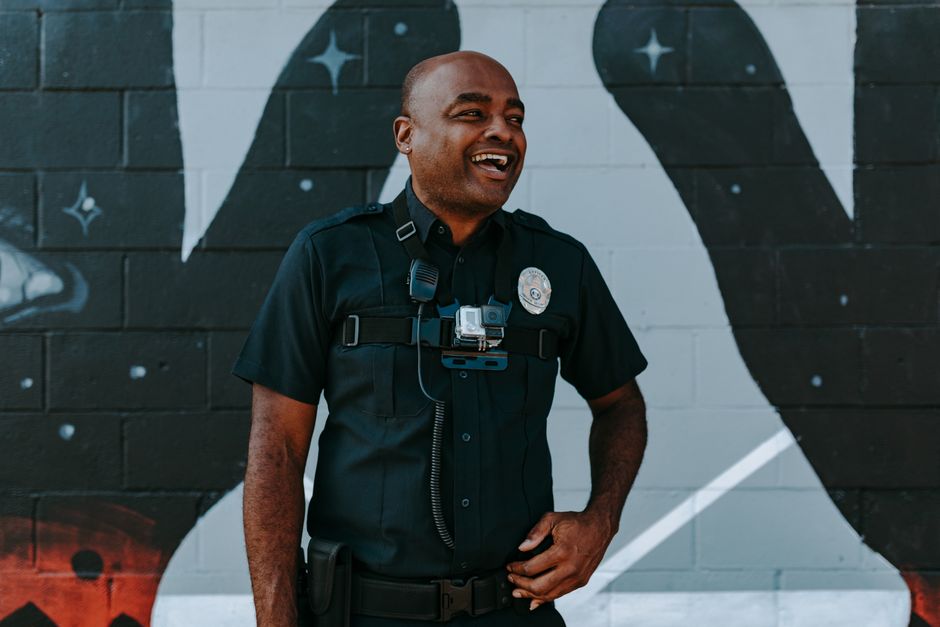
Ottawa is entering a new era of law enforcement technology. On June 24, the Ottawa Police Service announced it would be extending the pilot of its body-worn camera program. This time with the addition of AI facial recognition tools layered on top.
It's the first phase of what could become a broader rollout, and it marks one of the more significant technological shifts for the service in recent memory.
What the Pilot Actually Involves
The Ottawa Police Service has been running a body-worn camera pilot for some time now, with officers using the devices to document interactions with the public. The new development pushes that program further by integrating AI tools, including facial recognition, into the mix.
Facial recognition technology works by analyzing facial geometry from video or images and comparing it against a database to identify individuals. Police services across North America have experimented with similar tools, with results that have drawn both praise from law enforcement and serious criticism from civil liberties advocates.
At this stage, Ottawa is framing it as the "first phase," suggesting there are further expansions planned depending on how the pilot goes.
Why This Is a Big Deal
For Ottawa residents, this isn't just a tech story: it's a question about how the city wants to be policed.
Facial recognition has a complicated track record. Studies have consistently found that these systems can perform unevenly across different demographics, raising concerns about accuracy and the potential for wrongful identification. Civil liberties organizations like the Canadian Civil Liberties Association have pushed back on the use of such tools by police services, arguing they pose serious risks to privacy and the presumption of innocence.
At the same time, proponents argue that when used responsibly, AI tools can help officers work more effectively and that body-worn cameras with video analysis can improve accountability on both sides of an interaction.
Ottawa's Broader Policing Context
This announcement comes as the Ottawa Police Service continues to navigate questions about community trust, transparency, and modernization. The body-worn camera program itself was partly a response to demands for greater accountability from the public and oversight bodies.
Adding AI to that equation changes the stakes. Cameras alone document what happens. AI tools that can identify individuals in real time, or after the fact, move into different territory entirely.
Ottawa City Council and the Ottawa Police Services Board will likely face pressure to weigh in on the program's parameters, including questions about data retention, who can access facial recognition results, and what safeguards are in place to prevent misuse.
What Comes Next
The first phase is underway, but residents and advocates will be watching closely for details on oversight, scope, and how the technology will be governed. Transparency around how AI is used in policing, particularly tools as sensitive as facial recognition, will be key to maintaining public trust.
For now, Ottawa is joining a growing list of Canadian cities grappling with where to draw the line between public safety innovation and civil liberties protection. The conversation is just getting started.
Source: Ottawa Citizen. Read the original report at ottawacitizen.com.

