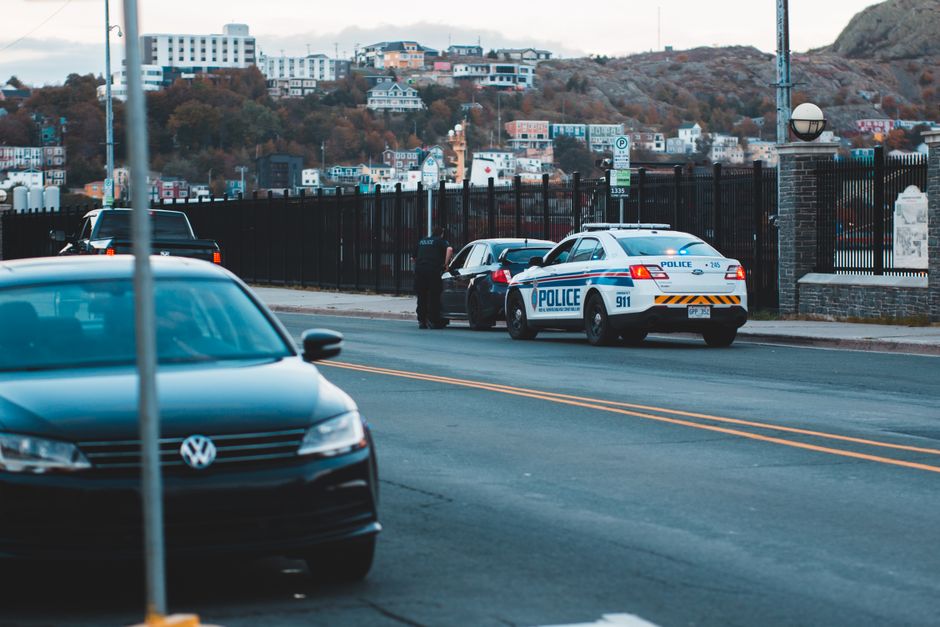
Ottawa's police service is taking a major step toward greater transparency and accountability, announcing plans to deploy body-worn cameras to every front-line officer after a successful pilot project.
A Pilot That Delivered
The Ottawa Police Service (OPS) ran an initial road test with 30 body-worn cameras, and the results were compelling enough to push for a full-scale rollout. The pilot gave the department a chance to evaluate how the technology performs in real-world conditions, from routine traffic stops to more complex calls, and the feedback was positive enough to justify expanding the program significantly.
What's Coming Next
The OPS now wants to equip its entire front-line force with the devices, with a target of completing the deployment by the end of next year. That means hundreds of cameras hitting the streets of Ottawa, worn by officers responding to calls across the city, from Kanata and Barrhaven to Vanier and the ByWard Market.
The scale of the expansion is significant. Going from 30 cameras to outfitting the full front-line complement represents a major investment in both technology and the infrastructure needed to store, manage, and review footage.
Why It Matters for Ottawa Residents
For Ottawans, the push for body cameras is about more than just equipment. It's about trust. Body-worn cameras have become a central tool in police accountability debates across North America, offering an objective record of interactions between officers and the public.
When incidents occur, whether a use-of-force situation, a disputed arrest, or a complaint from a community member, footage from a body camera can provide clarity that witness accounts alone sometimes cannot. For residents who have raised concerns about police conduct in the past, the broader rollout signals that the OPS is taking transparency seriously.
At the same time, the cameras can also protect officers from false complaints, giving front-line staff a reliable record of what actually happened during a call.
Broader Context
Ottawa's move aligns with a growing trend among Canadian and North American police services. Cities like Toronto, Vancouver, and several U.S. metro areas have already moved to full or near-full body camera deployments. The technology has become increasingly expected by communities as a baseline accountability measure.
Implementation isn't without challenges, data storage costs, privacy policies around footage retention and public access, and training requirements all need to be addressed. The OPS will need to have clear policies in place before the full fleet goes live.
What Comes Next
With the pilot wrapped up and the green light given, the focus now shifts to procurement, policy development, and officer training. If the timeline holds, Ottawa residents could see body cameras as standard gear for front-line OPS officers by late 2027.
It's a development worth watching, and one that many in the community have been waiting for.
Source: CBC Ottawa

