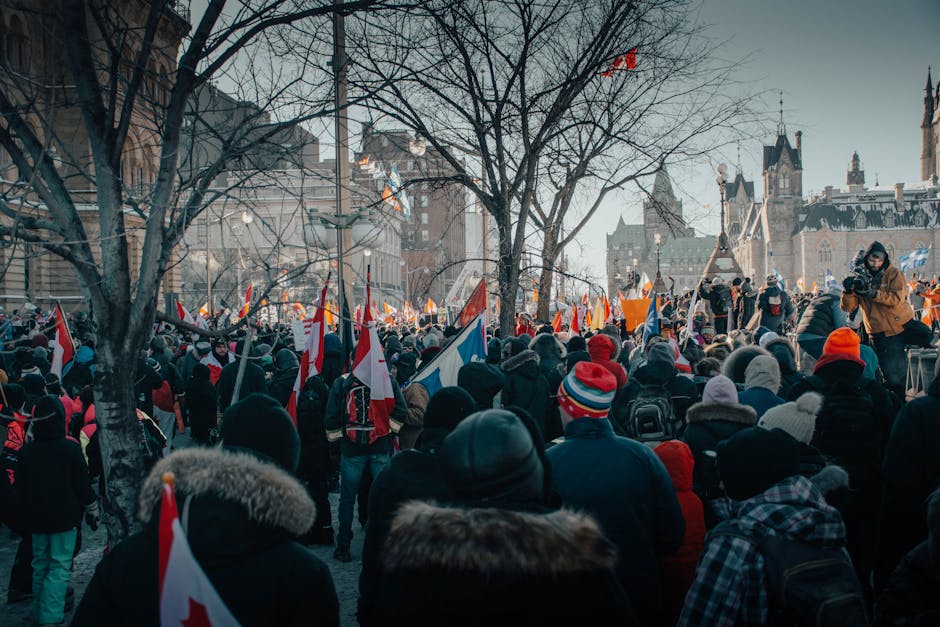
Ottawa is no stranger to contentious public demonstrations, and a new move by Toronto police to ban protests in a North York residential neighbourhood is sparking conversation about the future of protest rights across Canadian cities.
What's Happening in Toronto
Toronto police have announced they are prohibiting protests in residential parts of a North York Jewish community that has seen regular demonstrations in recent years. The decision marks a significant step by law enforcement to restrict where protests can legally take place, not just how they're conducted.
Police say the ban is aimed at protecting residents from ongoing disruptions in their neighbourhood, citing concerns about harassment and the impact on daily life. Critics, however, argue the move raises serious constitutional questions about freedom of expression and the right to peaceful assembly, rights enshrined in the Canadian Charter of Rights and Freedoms.
Why Ottawa Is Watching
For Ottawa residents, this isn't an abstract legal debate. The nation's capital has long been a focal point for large-scale protests, from the 2022 Freedom Convoy occupation of downtown streets to regular demonstrations on Parliament Hill and in Centretown neighbourhoods. Ottawa has grappled firsthand with the tension between the right to protest and the rights of residents and businesses to go about their lives without disruption.
If Toronto's residential protest ban holds up to legal scrutiny, it could give other municipalities, including Ottawa, a template for similar restrictions. That prospect is already drawing attention from local advocacy groups and legal observers.
The Legal Question
Canadian courts have consistently protected the right to peaceful protest, but they've also recognized that rights can be subject to "reasonable limits" under Section 1 of the Charter. The key question is whether a blanket geographic ban on protests in a residential area clears that bar, or whether it goes too far.
Civil liberties organizations are expected to challenge the Toronto ban. The outcome could shape protest law not just in Ontario, but across the country, including in Ottawa where both federal and municipal jurisdictions intersect in complex ways.
What It Means for Everyday Ottawans
For most Ottawa residents, protests are a familiar backdrop to city life, especially near Parliament Hill, Confederation Park, and major transit hubs. The idea of police pre-emptively banning demonstrations in specific neighbourhoods would represent a notable shift in how Canadian cities manage public expression.
Local community leaders and civil liberties advocates in Ottawa are urging residents to stay informed as the Toronto situation develops. Whether you support tighter restrictions on residential protests or believe the ban overreaches, the legal precedent being set here will matter for every Canadian city.
Source: CBC News Toronto. Read the original report at CBC.ca.

