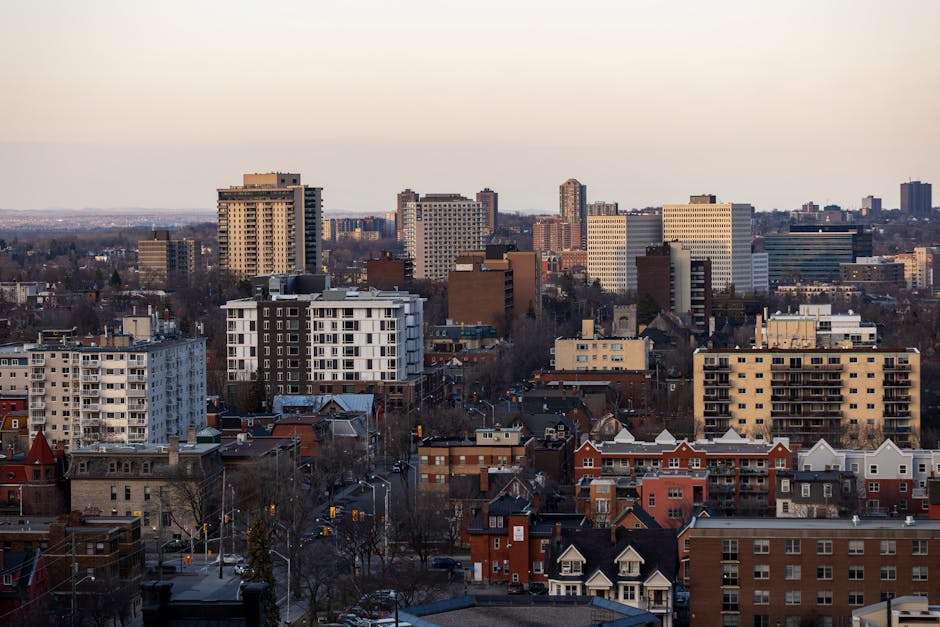
Ottawa is once again at the centre of the national return-to-office debate, as federal public servants and residents push back against mandates dragging workers back to downtown buildings. The latest flashpoint comes from the Ottawa Citizen's Letters to the Editor section, where readers this week questioned the logic of forcing government employees back to their desks in a world that has fundamentally changed since 2020.
Why This Hits Different in Ottawa
No other Canadian city has as much riding on this question as Ottawa. With roughly a third of the local workforce employed by the federal government, decisions made in Treasury Board boardrooms ripple directly through downtown coffee shops, LRT ridership numbers, and the office towers that line Wellington and Sparks streets. When public servants stay home, downtown Ottawa notices, vacant storefronts, quieter lunch rushes, and landlords stuck holding half-empty buildings.
That's exactly the tension letter writers are highlighting. Several readers argued that the shift to hybrid and remote work wasn't a temporary pandemic-era experiment but a lasting change in how knowledge work actually gets done. If departments delivered services effectively during years of remote operation, they asked, what's the actual justification for reversing course now?
The Downtown Ripple Effect
Ottawa's downtown core has been trying to reinvent itself for years, with the city and business improvement areas pushing conversion of empty office space into housing and encouraging more mixed-use development along the Sparks Street corridor. Full return-to-office mandates complicate that math in two directions: businesses that depend on daytime foot traffic want workers back, but the broader push to diversify downtown away from a 9-to-5 government town depends on treating some of that office space as surplus.
Commuters have their own stake in the debate too. A full return means more pressure on the O-Train and on Highway 417 during rush hour, along with the parking headaches that have plagued downtown workers for years. Letter writers pointed out that many public servants restructured their lives, moving further out, taking on caregiving schedules, adjusting commutes, around the flexibility hybrid work offered, and that undoing those arrangements isn't as simple as flipping a switch.
What Comes Next
The federal government has leaned toward mandating more in-office days across departments, citing collaboration and mentorship benefits, while unions representing public servants have pushed back, arguing the policy is more about optics than productivity. For Ottawa residents, the outcome isn't just an HR policy question: it shapes transit planning, downtown revitalization, and the daily rhythm of a city built around the public service.
As the letters pages show, Ottawans aren't shy about weighing in. Whether Ottawa's downtown becomes a full-time government hub again or continues evolving into something more mixed will likely keep showing up in this debate for months to come.
Source: Ottawa Citizen, Letters to the Editor

