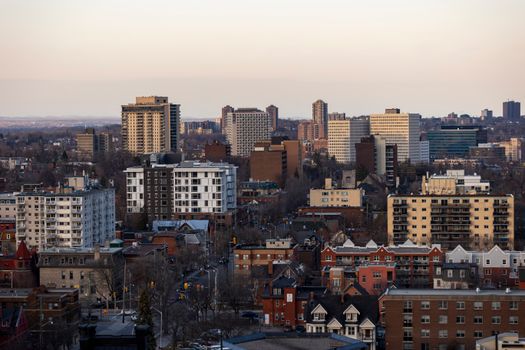
Ottawa is experiencing a historic surge in purpose-built rental (PBR) construction, and the ripple effects are being felt across the city's housing market, from who's renting to where new supply is landing.
A Once-in-a-Generation Supply Wave
For decades, Ottawa's rental market was defined by aging apartment stock, low vacancy rates, and a chronic lack of new supply. That's changing fast. Purpose-built rental starts in Ottawa have reached record levels, driven by a combination of federal housing incentives, rising mortgage rates that pushed would-be buyers back into the rental market, and institutional investors betting big on the capital's long-term population growth.
Purpose-built rentals, buildings designed and held specifically for renting, rather than sold as condos, are considered more stable for the housing ecosystem. Unlike condo assignments that can flip to Airbnb or sit empty, PBR units stay in the rental pool. That's a meaningful distinction in a city that has seen supply tighten sharply over the past five years.
Renters Aren't Who They Used to Be
Alongside the supply story is a demographic one. The profile of the average Ottawa renter has shifted considerably. Where renting was once associated primarily with students, young singles, and lower-income households, today's renters increasingly include dual-income professional couples, downsizing empty nesters, and newcomers to Canada who are financially capable but choosing flexibility over ownership.
High interest rates and elevated home prices have made buying feel out of reach for a growing slice of the middle class, not just the working poor. That shift is pushing demand for higher-quality rental product: units with in-suite laundry, home office space, amenity floors, and proximity to transit corridors like the LRT.
Where the New Units Are Landing
Much of the new PBR activity is concentrated along Ottawa's transit spine. Centretown, Hintonburg, Westboro, and the emerging nodes around the Confederation Line's eastern and western extensions. Developers are following the density playbook: build near transit, target professional renters, and price at the higher end of market rate.
That strategy raises a tension. The surge in supply is welcome, but critics note that much of the new stock is priced above what lower-income renters can afford. Without a parallel investment in affordable and deeply affordable housing, the PBR boom may relieve pressure at the top of the market while leaving the bottom largely unchanged.
What It Means for Ottawa Residents
For current renters, the new supply offers more choice, particularly for those in the market for a newer, amenity-rich unit in a walkable neighbourhood. Competition among landlords for professional tenants is also, in some pockets, leading to lease incentives like free first month's rent or reduced deposits.
For the city broadly, the PBR surge represents an opportunity to reset long-held assumptions about what rental housing looks like in Ottawa. The challenge ahead is ensuring that growth is broad-based, not just a boom that benefits one demographic while leaving others behind.
Source: RENX (Real Estate News Exchange)