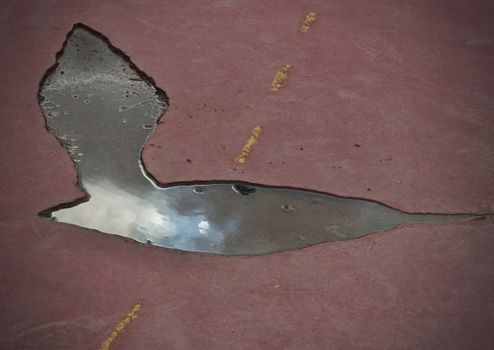
Ottawa vs. The Potholes: This Year, the City Has a Secret Weapon
Ottawa drivers know the drill. Every spring, as the frost heaves and the freeze-thaw cycle does its worst, the city's streets transform into an obstacle course of craters, cracks, and the kind of bone-rattling dips that make you check your wheel alignment the next morning. This year, though, Ottawa is fighting back with something that sounds like it rolled straight out of a Dr. Seuss story: the Python 5000.
With tens of thousands of potholes reported across the capital each year, city crews are under enormous pressure to patch roads faster than the pavement can crumble. The Python 5000 is Ottawa's answer: an all-in-one asphalt repair machine that handles the entire pothole-patching process in a single pass, without workers ever having to leave the truck.
How Does the Python 5000 Actually Work?
Traditional pothole repair is slow, labour-intensive work. A crew pulls up, someone climbs out, cleans the hole, dumps in cold-mix asphalt, tamps it down, and moves on, only to have the patch fail again by the next freeze. It works, but it's not fast, and Ottawa has a lot of ground to cover.
The Python 5000 changes the equation. The machine blows compressed air into the pothole to clear it of debris and moisture, then injects an emulsion tack coat to help the new asphalt bond properly. It follows that up by blowing in hot-mix asphalt aggregate and sealing the surface, all from the cab of the vehicle, all without a worker standing in traffic.
The result is a patch that bonds better, lasts longer, and gets done in a fraction of the time. It's the kind of efficiency that actually makes a dent in a backlog that, in a bad year, can stretch into the tens of thousands of complaints.
Spring Pothole Season Is No Joke in the Capital
Ottawa's climate is particularly brutal on road surfaces. The city sits in a zone where winter temperatures regularly plunge well below -20°C, and spring brings rapid swings between freezing nights and mild days. Water seeps into cracks, freezes, expands, and tears the pavement apart from the inside. Repeat a few dozen times and you've got the lunar landscape Ottawa commuters navigate every March and April.
The Queensway, residential side streets in older neighbourhoods like Vanier and Hintonburg, and heavily-trafficked arterials like Merivale Road and Bank Street tend to bear the brunt. Cyclists and cyclists-adjacent pedestrians often feel it first, a pothole that's merely annoying in a car can be genuinely dangerous on two wheels.
Is It Making a Difference?
City crews have been deploying the Python 5000 as part of Ottawa's broader spring road maintenance push. The machine won't eliminate the city's pothole problem overnight, Ottawa's road network is massive, the budget is finite, and the climate isn't getting any gentler, but it represents a meaningful upgrade in how fast and how durably crews can respond.
For drivers who've been dodging the same craters on their commute since February, that's at least something to feel cautiously optimistic about.
Keep an eye on the city's 311 service to report potholes in your neighbourhood, the more reports that come in for a given street, the higher it rises in the repair queue.
Source: Ottawa Citizen, reported by Gary Dimmock. Read the original.

