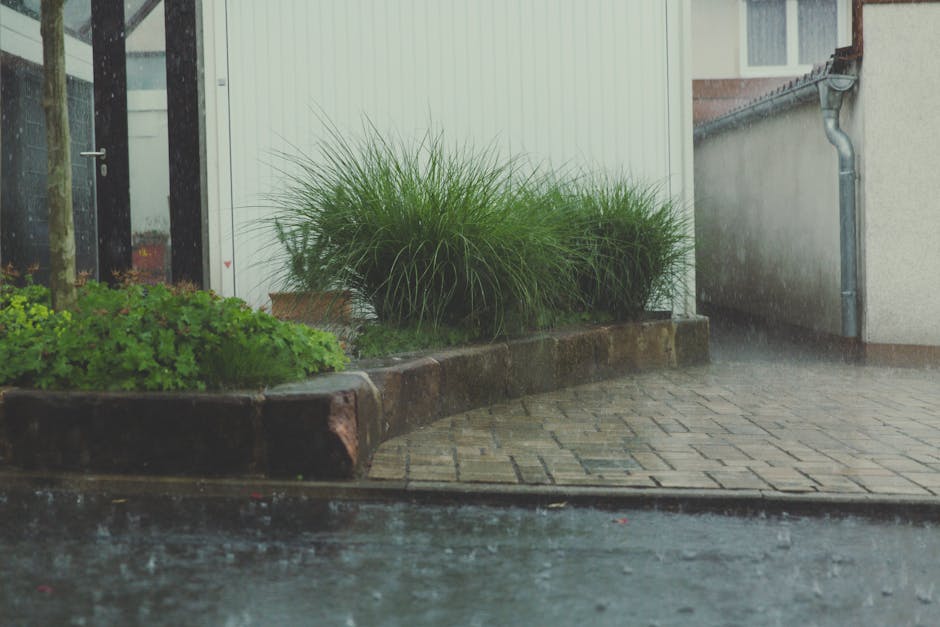
Ottawa's Crystal Beach neighbourhood is still recovering from the devastating flooding it saw on Canada Day this year, and now Carleton University researchers say a low-tech solution could help the city avoid a repeat disaster: rain gardens.
What happened on Canada Day
The Canada Day storm dumped an enormous amount of rain on Ottawa in a short window, overwhelming the city's stormwater systems. Crystal Beach, a low-lying community near the Ottawa River, was among the hardest hit areas, with homes and streets left underwater as drains and ditches simply couldn't keep pace with the deluge.
The rain garden solution
According to researchers at Carleton University, rain gardens, shallow, landscaped depressions planted with water-tolerant vegetation, could have made a real difference in how Crystal Beach weathered the storm. Rain gardens work by capturing rainwater runoff from roofs, driveways, and roads, letting it soak slowly into the ground instead of rushing straight into storm sewers that are already at capacity during extreme weather.
Unlike major infrastructure projects that take years and millions of dollars to build, rain gardens are relatively cheap and simple to install. They can be added to residential yards, boulevards, and public green spaces, making them a practical tool for neighbourhoods that don't have room in the budget for a full sewer overhaul any time soon.
Why this matters for Ottawa
Climate scientists have repeatedly warned that Ottawa should expect more frequent and more intense storms in the years ahead, and this year's Canada Day flooding was a stark reminder of how vulnerable some neighbourhoods already are. Crystal Beach residents dealt with significant property damage, and the storm reignited long-running frustrations about the capacity of the city's aging stormwater infrastructure.
For a city that's growing fast and facing more unpredictable weather, small-scale green infrastructure like rain gardens offers a way to build resilience street by street rather than waiting on massive capital projects. Researchers say that even a modest number of rain gardens installed strategically across a neighbourhood like Crystal Beach could meaningfully reduce the volume of water overwhelming the drainage system during a mega storm.
What could come next
The findings add to a growing conversation in Ottawa about how the city adapts to increasingly extreme weather. Whether the city moves to incentivize or fund rain garden programs for flood-prone neighbourhoods remains to be seen, but the research gives homeowners and community groups in areas like Crystal Beach a concrete, affordable option to explore while bigger stormwater fixes work their way through city budgets.
Source: CBC Ottawa