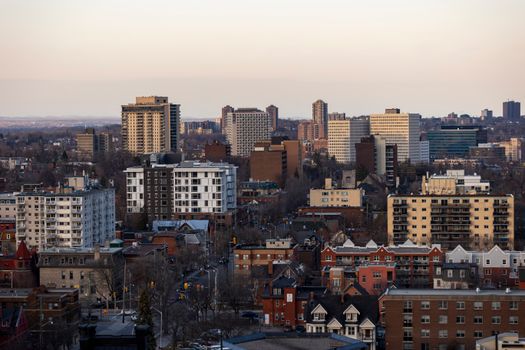
Ottawa's status as Canada's capital is not just a civic identity marker. It is a fundamental economic force that shapes every corner of the city's real estate market. Understanding the capital city effect is essential for anyone buying, selling, or investing in Ottawa property.
The Federal Employment Floor
Approximately 130,000 federal public servants work in the National Capital Region, representing roughly 22% of Ottawa's total workforce, a concentration found in no other Canadian city. This creates a highly stable employment base anchored to guaranteed government salaries, defined benefit pensions, and low layoff risk. Real estate analysts consistently cite federal employment as the primary reason Ottawa's housing corrections are shallower than in Toronto or Vancouver: a large share of Ottawa homeowners face no income disruption during economic downturns.
Policy and Office Return Cycles
Federal return-to-office mandates directly move Ottawa's condo market. The Trudeau government's 2023 mandate requiring three days per week in the office visibly increased demand for downtown Ottawa condos within 60 days of announcement. The subsequent Conservative government's stated intention to reinstate stricter in-office requirements has already influenced 2026 demand forecasts, with real estate agents reporting more downtown condo inquiries from public servants anticipating a tougher return mandate.
Diplomatic and International Demand
Ottawa hosts 130 foreign embassies and high commissions, creating a stable pool of diplomatic tenants who typically rent in Rockcliffe Park, Sandy Hill, and parts of Centretown. Diplomatic rental demand is largely immune to local market cycles, providing landlords in these areas with premium, low-risk tenancy. Foreign diplomats receive generous housing allowances from their governments and treat Ottawa neighbourhoods near embassy row with strong preference.
Crown Corporation and National Institution Effect
Beyond the core public service, Ottawa is home to the CBC, Bank of Canada, CMHC, Export Development Canada, and numerous crown corporations with thousands of additional employees. Major universities, University of Ottawa and Carleton, add another 80,000 students to the demand pool. This breadth of institutional employment anchors multiple price tiers simultaneously.
The Stability Premium
Ottawa buyers pay a modest stability premium compared to secondary Canadian cities of similar population. London, Ontario, for example, has similar demographics but trades at 15–20% lower prices. That premium reflects the capital city employment guarantee. For investors who prioritize capital preservation over speculative return, Ottawa's capital status is a genuine competitive advantage.