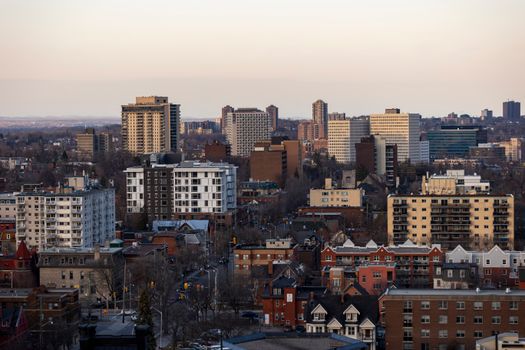
The Biggest Purchase of Your Life, With the Fewest Guardrails
Ottawa residents navigating one of Canada's most competitive housing markets are making six- and seven-figure decisions with surprisingly little of the safety net that protects them in virtually every other major financial transaction.
Think about it: when you drive a new car off a dealership lot in Ottawa, it's insured before you hit the Queensway. When you launch a small business in Kanata, you carry liability coverage before your first client shakes your hand. But when you close on a $750,000 semi-detached in Barrhaven or a condo in Centretown, arguably the most consequential financial move most Canadians ever make, the consumer protections in place are comparatively thin.
Insuring Everything Except Home Purchases
The core argument gaining traction in real estate and fintech circles is straightforward: the industry has failed to evolve at the same pace as the transactions it handles. Title insurance exists, and mortgage default insurance (think CMHC) is mandatory for high-ratio buyers, but neither product is designed to protect buyers from the full range of things that go wrong in a real estate deal.
What about the inspection that missed a cracked foundation? The closing that falls through because of a financing snag? The legal dispute that surfaces months after keys change hands? In most cases, buyers absorb those risks personally, backed only by their own financial cushion and whatever recourse they can afford to pursue through the courts.
Ottawa's Market Makes the Stakes Higher
For Ottawa buyers, the stakes are particularly acute. The city's real estate market has seen dramatic price appreciation over the past decade, and while values have moderated somewhat from the pandemic-era peaks, the average home still demands a significant financial commitment. First-time buyers, many of them young professionals drawn to Ottawa's federal government and tech sector jobs, are often stretching their budgets to enter the market at all.
When those buyers are operating with minimal margin for error, the absence of comprehensive transactional protection isn't just an industry inconvenience. It's a genuine financial vulnerability.
What a Safety Net Could Look Like
Industry observers point to models emerging in other markets, transaction insurance products, escrow-backed warranties, and digital closing platforms that build verification checkpoints into every step of a deal. Some proptech startups are beginning to address pieces of the puzzle, offering tools that flag title issues earlier, digitize document verification, or provide limited coverage for failed transactions.
But a truly comprehensive safety net, one that covers Ottawa buyers from offer accepted to keys-in-hand and beyond, doesn't yet exist at scale in Canada.
The Pressure Is Building
As home prices have risen and transactions have grown more complex, consumer expectations are shifting. Buyers who comparison-shop mortgages on their phones and e-sign documents from their kitchens are increasingly asking why the broader transaction still feels like a leap of faith.
For Ottawa's real estate community, agents, lawyers, lenders, and the proptech startups clustered around Kanata North. There may be both a market opportunity and a responsibility to close that gap.
Source: Ottawa Business Journal