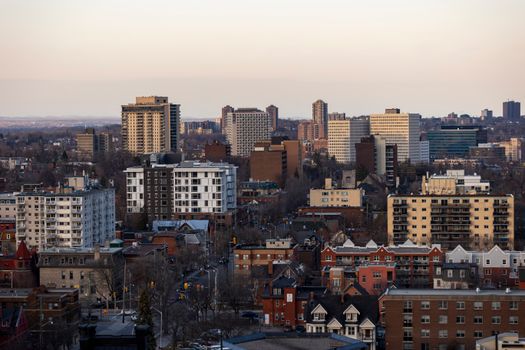
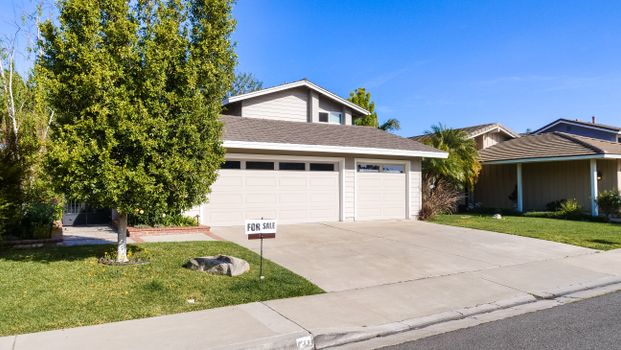
Ottawa's real estate market in 2026 is at a genuine turning point. After the Bank of Canada's rate cutting cycle brought the overnight rate down from 5% in 2023 to 2.75% by early 2026, buyer confidence has returned across all property types, though the recovery is uneven and market-specific knowledge matters more than ever.
Overall Market Snapshot
The Ottawa Real Estate Board reported 1,247 residential sales in January 2026, up 18% year-over-year. The benchmark price for all residential property types sits at $672,000, down from the peak of $757,000 in March 2022 but up 6% from the trough in late 2023. Days on market have tightened from 45 to 28 days, indicating rising demand relative to available inventory.
Freehold vs Condo Divergence
Freehold properties, detached, semi-detached, and townhouses, have recovered faster than condos. Detached homes in Ottawa are now within 7% of their 2022 peak values, while condo apartments remain 14% below their 2022 highs. This gap reflects the supply overhang of new condo completions entering the market and relatively stronger demand for more space post-pandemic.
Interest Rate Impact
Fixed mortgage rates for 5-year terms have settled between 4.4% and 4.8% at major Canadian lenders in early 2026. Variable rates track closer to 4.2%. A buyer purchasing a $650,000 property with 20% down at today's rates carries a monthly payment of approximately $3,100, a meaningful improvement from the $3,800 payment at 2023 peak rates.
Supply and New Construction
Ottawa issued 7,200 housing starts in 2025, below the city's stated target of 10,000 annually needed to address the housing shortage. Purpose-built rental completions are rising, particularly in the Preston–Carling corridor and Lebreton Flats. The city's Official Plan designates major transit stations as intensification nodes, which will continue directing new development along the LRT lines.
Outlook for the Rest of 2026
Analysts at RBC Economics and CMHC project Ottawa prices will rise 4–6% through the remainder of 2026, driven by renewed population growth from federal immigration targets and stabilizing mortgage costs. The wild card is federal government hiring and office return policies, which have an outsized effect on Ottawa's rental and purchase markets compared to any other Canadian city.
Ottawa remains one of Canada's most stable real estate markets, lower peaks, shallower corrections, and reliable long-term appreciation underpinned by a government-anchored economy.