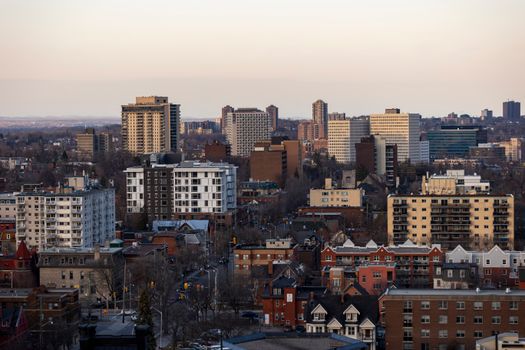
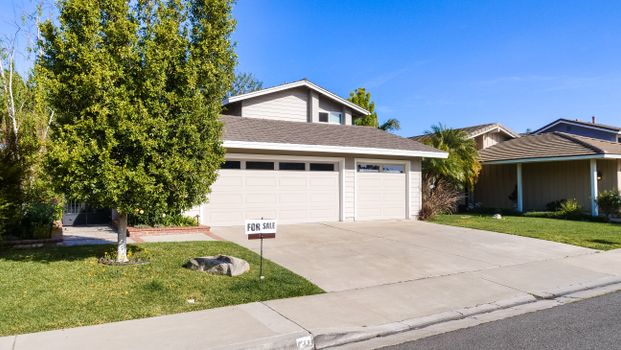
Ottawa's real estate market in 2026 is telling a nuanced story: one shaped by interest rate movements, population growth, and a persistent tug-of-war between housing supply and demand. Whether you're a first-time buyer, a seasoned investor, or just keeping tabs on your neighbourhood's value, the latest statistics offer a revealing snapshot of where the capital stands.
Prices: Holding Steady or Creeping Up?
Ottawa has historically been one of Canada's more stable real estate markets, and 2026 appears to be reinforcing that reputation. Unlike the dramatic swings seen in Toronto or Vancouver, Ottawa's average home prices have remained relatively grounded. Detached homes in sought-after neighbourhoods like Westboro, the Glebe, and Kanata continue to command premium prices, while the eastern suburbs and areas like Barrhaven offer comparatively more accessible entry points for families.
Condos have become an increasingly important part of the Ottawa market, particularly downtown and in the Centretown corridor, where younger professionals and downsizers are competing for units near LRT stations.
Inventory Levels: Still a Seller's Market?
One of the defining features of Ottawa's recent real estate landscape has been limited inventory. New listings have not kept pace with demand, particularly in the low-rise segment. This supply crunch has kept upward pressure on prices even as higher borrowing costs dampened buyer enthusiasm through 2024 and into 2025.
In 2026, there are signs that inventory is beginning to loosen slightly, more homeowners are listing as they adapt to the new rate environment, and new construction projects in communities like Barrhaven South and Riverside South are adding stock to the market.
What's Driving Demand in Ottawa?
Ottawa's demand drivers are distinct from other Canadian metros. The federal public service remains a massive employment anchor, providing job security that underpins consistent housing demand regardless of broader economic turbulence. Add to that the city's growing technology sector, anchored in Kanata North, one of Canada's largest tech hubs, and you have a buyer pool that skews toward stable, dual-income households.
Immigration has also played a significant role. Ottawa has seen strong newcomer settlement numbers, adding pressure on both the rental and ownership markets, particularly in established communities with good transit access.
Renting vs. Buying in 2026
For many Ottawans, the rent-vs-buy calculation remains genuinely difficult. Average rents for two-bedroom apartments in central Ottawa have climbed steadily, making ownership look more attractive on paper, but qualifying for a mortgage in the current rate environment still presents a barrier for many first-time buyers.
First-time buyer incentives, both federal and provincial, have helped some households bridge the gap, and the federal government's ongoing push to increase housing supply through zoning reform and infrastructure funding is expected to have a gradual impact on affordability over the medium term.
Looking Ahead
Most analysts expect Ottawa's market to remain resilient through the rest of 2026. A combination of stable employment, continued in-migration, and cautious but present buyer demand should keep prices from falling sharply, while the gradual easing of rates may bring some sidelined buyers back into action in the second half of the year.
For anyone watching Ottawa real estate closely, 2026 looks less like a boom-and-bust year and more like a steady recalibration, which, for a city that prides itself on stability, feels just about right.
Source: Made in CA. Ottawa Real Estate Statistics (2026), via Google News Ottawa RE