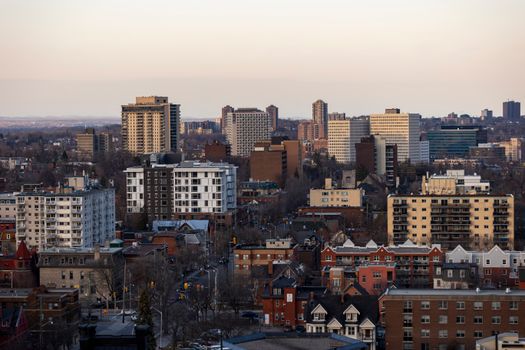
Ottawa sits at the intersection of Canada's remote work revolution in a uniquely interesting way. As both the headquarters of Canada's federal government (one of the largest employers to implement return-to-office mandates) and a major tech hub with a remote-first workforce, Ottawa's real estate market tells a nuanced story about how flexible work has reshaped where Canadians live and buy.
Ottawa as a Remote Work Destination
Between 2020 and 2023, Ottawa was one of Canada's biggest beneficiaries of remote work real estate migration. Buyers from Toronto and Vancouver, newly untethered from office requirements, discovered that Ottawa offered:
- Homes 40%–60% cheaper than Toronto equivalents
- Proximity to Toronto (4.5 hours by train, 4.5 hours by car)
- Strong urban amenities without big-city density
- No provincial income tax advantage (Ontario taxes are identical), but meaningfully more square footage per dollar
Ottawa's population grew faster than any comparable Canadian city from 2020–2023, and a meaningful portion of that growth came from remote workers making permanent relocations.
The Federal Return-to-Office Factor
Ottawa's real estate market got a distinctive twist in 2024–2025: the federal government, the city's largest employer, implemented mandatory return-to-office requirements for most public servants, rising to 3 days/week by 2025.
This had interesting real estate effects:
- Some Ottawa homeowners who had relocated to smaller Ontario cities during remote work period moved back or returned to renting in Ottawa
- Demand for central Ottawa properties (near transit, near Parliament Hill) increased relative to outer suburbs
- Basement suite renovations spiked as returning workers sought Ottawa rentals while they searched for homes to buy
The Hybrid Worker's Ottawa Neighbourhood Choice
In 2026, Ottawa's largest buyer cohort is the hybrid worker, typically 2–3 days in office, 2–3 days remote. This buyer values:
Barrhaven and Kanata: Acceptable commute, affordable large homes with dedicated home offices, strong suburban amenities. The LRT Stage 2 extensions to these communities (operational 2025) have made them more viable for hybrid workers.
Orleans: Eastern Ottawa's family-friendly suburbs, LRT accessible, below-average Ottawa prices, strong French-language community.
Stittsville and Carleton Place: More rural, larger lots, 30–45 minute drives to downtown Ottawa. Popular with remote-majority workers needing a home office and outdoor space.
The Ottawa-Gatineau Arbitrage
Gatineau, Quebec, just across the Ottawa River, has emerged as a major beneficiary of hybrid work. Gatineau homes sell for 25%–35% less than comparable Ottawa properties. With hybrid workers crossing the river only 2–3 days per week, the commute is manageable, and Quebec's cheaper housing (though offset by provincial income tax) is compelling.
Ottawa real estate agents report that buyers seriously considering Gatineau has roughly doubled since 2022, a direct consequence of remote work enabling the trade-off.
The Lasting Impact
Remote work has permanently expanded Ottawa's geographic draw for buyers. The city now competes for buyers not just with Gatineau and suburban Ottawa, but with all of Ontario and beyond. This structural change in demand, more buyers considering Ottawa from a wider geographic pool, continues to underpin Ottawa's real estate market in ways that weren't present before 2020.