Ottawa's housing market has been quietly reshaped by one of the biggest workplace shifts in a generation, the rise of remote and hybrid work. When employers across the National Capital Region moved to flexible schedules, the old calculus of buying a home changed overnight. Proximity to downtown or the LRT suddenly mattered less, and space, affordability, and lifestyle moved to the top of buyers' wishlists.
The Commute Equation Flipped
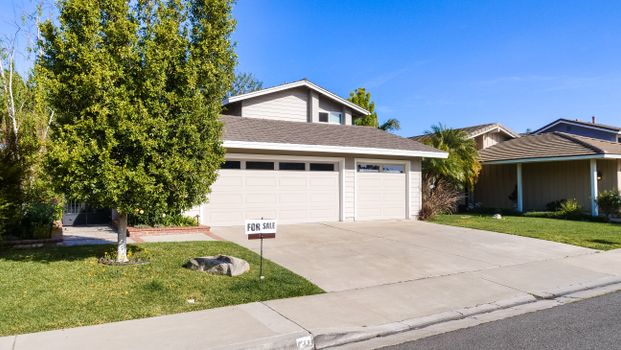
For decades, Ottawa buyers accepted smaller lots and higher price tags in neighbourhoods like Westboro, Hintonburg, or Centretown in exchange for short commutes. When that commute dropped to zero, or shrank to two or three days a week, buyers began looking further afield. Communities like Stittsville, Kanata, Barrhaven, and Riverside South saw sustained buyer interest as families sought larger homes, bigger yards, and more square footage for dedicated home offices.
Beyond the city limits, towns like Almonte, Carleton Place, Perth, and Kemptville attracted Ottawa buyers who had previously ruled them out entirely. A 45-minute drive is very manageable when you only need to make it twice a week.
What Buyers Are Actually Looking For
Real estate agents working in Ottawa's suburbs and surrounding communities consistently report that buyers now ask about home office space before almost anything else. A spare bedroom that doubles as an office, a finished basement, or even a detached garage with power have become serious selling points.
High-speed internet availability has also become a non-negotiable for many buyers, something that would have seemed unusual to ask about a decade ago. Rural properties with fibre connectivity command a noticeable premium over those relying on slower infrastructure.
Outdoor space has surged in importance too. Larger lots, proximity to trails, and access to green space are consistently cited by buyers who now spend far more of their week at home than they ever expected to.
The Inner-City Reset
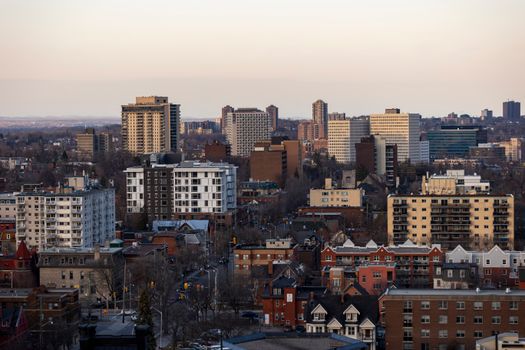
The flight to the suburbs hasn't meant Ottawa's established urban neighbourhoods collapsed, far from it. Condo demand softened initially as workers left the core, but hybrid schedules have since brought buyers back to walkable neighbourhoods. The appeal of being able to walk to a café, a gym, or a restaurant on office days still holds real value for a significant slice of buyers.
What has changed is that inner-city buyers are often making a deliberate lifestyle choice rather than a purely practical one. They're trading space for walkability and culture, knowing they have the flexibility to work from wherever suits them that day.
What This Means for Sellers
If you're selling in Ottawa's suburbs or in the Valley communities within an hour of the city, your pool of potential buyers is larger than it was five years ago. Lean into the lifestyle: highlight the home office, the yard, the quiet street, and the fibre connection.
If you're selling in the urban core, lean into convenience and culture. Buyers choosing city living in 2026 are making a conscious trade-off, and they want to feel confident they're getting the full urban experience in return.
The Ottawa market has matured into something more nuanced than the old downtown-versus-suburbs binary. Remote work didn't just change where people sit during the workday. It changed where they want to live.
Source: Ottawa real estate market data 2026