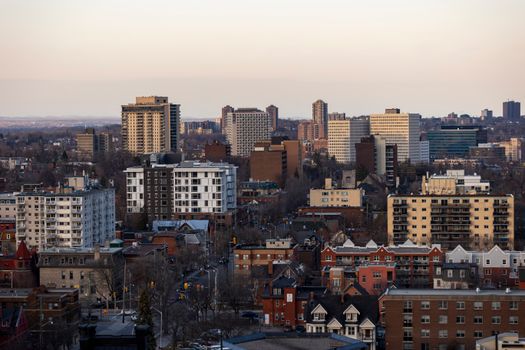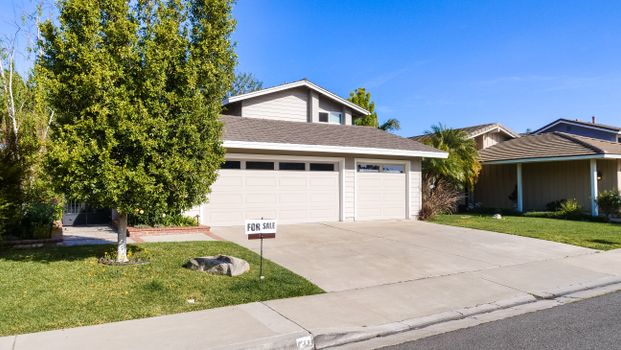
Ottawa's housing market in 2026 presents a genuine dilemma for renters wondering whether to take the plunge into homeownership. With the Bank of Canada's overnight rate sitting at 2.75% after a series of cuts through 2025, mortgage rates have eased considerably, but so has some of the urgency that once pushed buyers off the fence.
What It Costs to Own in Ottawa Right Now
The benchmark price for a single-family home in Ottawa sits at approximately $685,000 as of early 2026, according to the Ottawa Real Estate Board. A 10% down payment of $68,500 on a $685,000 purchase, with a 25-year amortization at a five-year fixed rate around 4.4%, translates to a monthly mortgage payment of roughly $3,450. Add in property taxes (averaging $5,200 annually in Ottawa), home insurance ($1,800/year), and maintenance (budget 1% of home value, or $570/month), and true carrying costs reach approximately $5,200 per month.
What Renters Pay
The average asking rent for a two-bedroom apartment in Ottawa hit $2,340/month in late 2025, per the Canada Mortgage and Housing Corporation. That gap, roughly $2,860/month cheaper to rent, is significant. But rent doesn't build equity, and Ottawa rents have increased an average of 5.8% annually over the past five years.
The Break-Even Math
Financial planners generally use the price-to-rent ratio to assess markets. In Ottawa, that ratio currently sits around 24, meaning you're paying 24 times annual rent to own an equivalent property. Ratios above 20 typically favour renting in the short term. However, the calculation changes dramatically over a longer horizon. Over 10 years, assuming 3% annual home appreciation and continued rent increases, ownership tends to outperform renting financially, especially when principal paydown is factored in.
Who Should Buy in Ottawa Today
Buying makes stronger financial sense if you plan to stay in Ottawa for at least five to seven years, have a stable income (government jobs, tech, healthcare), and can absorb the upfront costs without depleting emergency savings. Ottawa's large federal public service workforce gives the city unusual employment stability compared to more cyclical markets like Calgary or Vancouver.
Who Should Keep Renting
If your job situation is uncertain, you're planning a major life change, or you're eyeing a specific neighbourhood where prices remain elevated, renting gives you flexibility that ownership can't match. Investing the difference between rent and ownership costs in a diversified portfolio is a legitimate alternative wealth-building path.
The Bottom Line for 2026
There's no universal answer. Ottawa's market is neither as frothy as it was in 2022 nor as affordable as it was pre-pandemic. Run the numbers for your specific situation, income, savings, timeline, and neighbourhood, before deciding. A fee-only financial planner can model both scenarios with your actual numbers in under two hours.