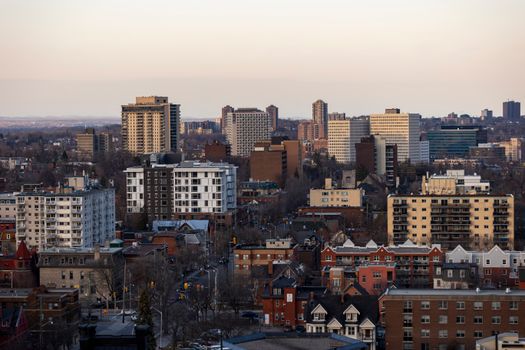
Ottawa's rental market in 2026 continues to put pressure on tenants across the city, as a persistent gap between housing supply and demand keeps vacancy rates near historic lows and pushes average rents higher season after season.
Vacancy Rates: Still a Landlord's Market
Across Ottawa's urban core, from Centretown and the Glebe to Hintonburg and Vanier, vacancy rates have remained stubbornly low. Purpose-built rental buildings are filling quickly, and competition for available units has stayed intense, particularly for one- and two-bedroom apartments in walkable neighbourhoods close to transit or the LRT corridor.
Outer areas like Barrhaven, Kanata, and Orleans have seen slightly more availability, partly due to new condo and rental construction that came online in recent years, but demand in those areas has grown alongside population expansion west and south of the city.
Average Rents Across the City
Rents in Ottawa have risen meaningfully compared to just a few years ago. A one-bedroom apartment in a central neighbourhood now typically runs well above what many renters budgeted when they first moved to the city. Two-bedroom units, increasingly sought by remote workers needing a home office, command a premium that puts them out of reach for lower-income households.
Basement apartments and older walk-up buildings remain the most affordable options, though even those have seen rent increases as landlords respond to higher property taxes, insurance costs, and mortgage renewals at elevated interest rates.
What Tenants Are Facing
For renters, 2026 has meant difficult trade-offs. Many are widening their search radius, accepting longer commutes in exchange for lower rents. Others are doubling up with roommates to manage costs. The waitlist for Ottawa Community Housing remains long, and affordable subsidized units are scarce relative to need.
Tenants in existing units have some protection under Ontario's rent increase guideline, but those moving between units, or entering the market for the first time, face market rents with no cap. Knowing your rights under the Residential Tenancies Act is more important than ever.
What Landlords Are Navigating
Small landlords in Ottawa are dealing with their own pressures. Mortgage renewals at higher rates have squeezed margins for those who purchased investment properties several years ago. Maintenance costs, property taxes, and city levies have all risen, and navigating the Landlord and Tenant Board process for disputes or non-payment remains slow and frustrating for many.
Larger purpose-built rental developers are still active, several new buildings are in various stages of approval or construction across Ottawa, but the pipeline from planning to occupancy is long, meaning relief for renters is still years away in most cases.
Looking Ahead
Ottawa's rental market is unlikely to soften dramatically in the near term. Population growth driven by federal public service employment, a strong tech sector, and ongoing immigration keeps demand high. Until significantly more rental supply is built and delivered, the imbalance between supply and demand is likely to persist.
Both tenants and landlords benefit from staying informed, whether that means monitoring CMHC's annual rental market report, attending City of Ottawa housing consultations, or connecting with local tenant advocacy organizations and landlord associations.
Source: Ottawa real estate market data 2026