Ottawa diners eat out millions of times a year, and most of us never think twice about what happens behind the kitchen door, but a recent food safety case out of a restaurant in Zeeland, Michigan, is a timely reminder of what can go wrong when inspections slip through the cracks.
The Holland Sentinel reported that a Zeeland restaurant was cited by health officials for a trio of serious violations: expired meat being stored on premises, visible grime, and accumulated dust in food prep areas. It's the kind of story that makes you push your plate aside, and it raises a fair question for Ottawa residents: how does our city keep its restaurants in check?
How Ottawa's Inspection System Works
Ottawa Public Health (OPH) is responsible for inspecting all food premises in the city, from corner shawarma spots to fine dining establishments on Elgin Street. Inspections are unannounced and happen on a risk-based schedule: higher-risk facilities like full-service restaurants are typically inspected more frequently than a low-risk convenience store.
When inspectors visit, they're checking a long list of criteria: proper food storage temperatures, expiry dates, cleanliness of surfaces and equipment, pest control measures, staff hygiene practices, and more. Violations are categorized by severity, and critical infractions, like improperly stored meat, the very issue flagged in Zeeland, can trigger immediate follow-up visits.
What Happens When Something Goes Wrong
If a critical violation is found, Ottawa restaurants can be ordered to correct the issue on the spot or face closure. OPH publishes inspection results publicly, so curious diners can actually look up their favourite restaurant's history before booking a table. It's a level of transparency that gives Ottawa's dining public real power.
Orders, warnings, and closures are all part of the enforcement toolkit. In serious cases, charges can be laid under Ontario's Health Protection and Promotion Act, the legislation that underpins food safety enforcement across the province.
What Diners Can Do
Food safety is a shared responsibility. Beyond trusting the system, there are a few things Ottawa diners can do to stay informed:
- Check OPH's online database before trying a new spot, inspection reports are publicly available at ottawa.ca.
- Trust your eyes: a clean dining room is usually a good sign that kitchen standards are being maintained too.
- Report concerns: if something feels off at a restaurant, Ottawa residents can file a complaint directly with Ottawa Public Health. Anonymous reports are accepted.
The Zeeland case is a reminder that even seemingly small lapses, a container of expired meat, dust in a prep area, can snowball into real public health risks if left unchecked. Ottawa's inspection framework exists precisely to catch these issues before they reach your plate.
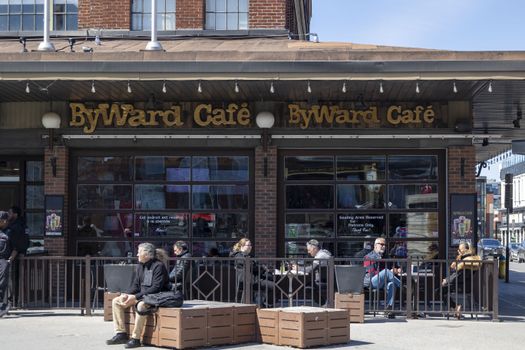
So next time you sit down at your favourite Glebe bistro or ByWard Market patio, you can take some comfort knowing that someone from OPH has very likely paid them a visit recently, clipboard in hand.
Source: The Holland Sentinel via Google News Ottawa Food RSS feed.