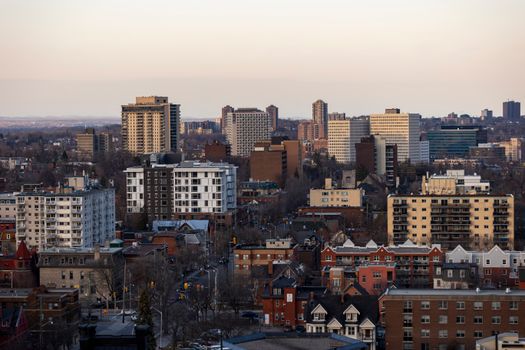
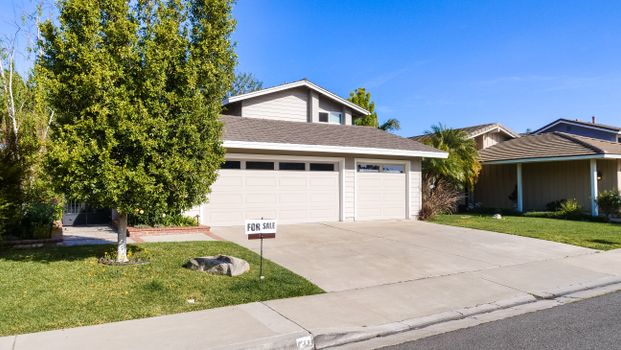
Ottawa seniors sitting on decades of home equity have a powerful financial tool at their disposal in 2026: the reverse mortgage. As home values across Ottawa's neighbourhoods, from Kanata to Centretown to Barrhaven, have appreciated significantly over the past decade, many retirees are finding that their biggest asset is also their most inaccessible one. A reverse mortgage changes that.
How a Reverse Mortgage Works
A reverse mortgage lets homeowners aged 55 and older borrow against the equity in their home without making monthly payments. Instead of you paying the bank, the bank pays you, either as a lump sum, regular instalments, or a combination of both. The loan, plus accumulated interest, is repaid only when you sell the home, move out permanently, or pass away.
In Canada, the primary reverse mortgage provider is HomeEquity Bank through its CHIP product, though other lenders have entered the space in recent years. Borrowers can typically access up to 55% of their home's appraised value, depending on age, property type, and location.
Who Qualifies in Ottawa
To be eligible for a reverse mortgage on an Ottawa property, you generally need to:
- Be 55 years of age or older (all owners on title must meet this threshold)
- Own your home outright or have substantial equity
- Use the property as your primary residence
- Have the home appraised by a lender-approved appraiser
Ottawa's strong and relatively stable real estate market makes local properties attractive collateral for lenders. Detached homes in established neighbourhoods tend to qualify most easily, though condos and semi-detached properties are also eligible.
The Benefits
For Ottawa retirees, the appeal is real. A reverse mortgage can:
- Supplement retirement income when pensions and savings fall short
- Cover healthcare or home renovation costs without drawing down investments
- Allow aging in place, avoiding the financial and emotional cost of downsizing
- Remain tax-free, since loan proceeds are not considered income by the CRA
There are no required monthly payments, which reduces cash flow pressure, a major advantage for those on fixed incomes.
The Risks to Understand
Reverse mortgages come with trade-offs that every Ottawa homeowner should weigh carefully.
Interest accumulates over time, often at rates higher than a standard mortgage. Because there are no monthly payments, the balance can grow significantly, eroding the equity left for heirs.
Your estate inherits the debt. When the home is eventually sold, the reverse mortgage balance, principal plus years of compounded interest, is repaid first.
Early exit costs. If you decide to sell or move within the first few years, prepayment penalties can be steep.
Impact on benefits. While the loan itself isn't taxable income, large lump-sum disbursements could affect eligibility for income-tested programs like the Guaranteed Income Supplement (GIS). Speak with a financial advisor before proceeding.
Getting Independent Advice
Ottawa-area seniors considering a reverse mortgage are strongly encouraged to consult an independent mortgage broker and a financial planner, not just the lender's own advisor. The lender is legally required to recommend independent legal advice before closing, and that step should be taken seriously.
Reverse mortgages are not right for everyone, but for Ottawa homeowners who want to stay in their homes, maintain their lifestyle, and access equity without selling, they can be a legitimate and useful option in 2026.
Source: Ottawa real estate market data 2026