Ottawa's Flooding Season Raises Big Questions About River Management
As Ottawa homeowners once again watch the Ottawa River inch closer to their basements and backyards this spring, a familiar and frustrating question is making the rounds: aren't those dams and reservoirs upstream supposed to be preventing this?
It's a fair question, especially for families in flood-prone neighbourhoods like Constance Bay, Cumberland, and Rockland who have been through this before. The short answer is: yes, the dams help, but they were never designed to stop major flooding entirely.
What the Dams Actually Do
The Ottawa River watershed stretches across roughly 146,000 square kilometres, spanning parts of Ontario and Quebec. Within that vast system, there are several dams and controlled reservoirs, including Lac des Quinze, Kipawa, and Timiskaming, managed by the Ottawa River Regulation Planning Board.
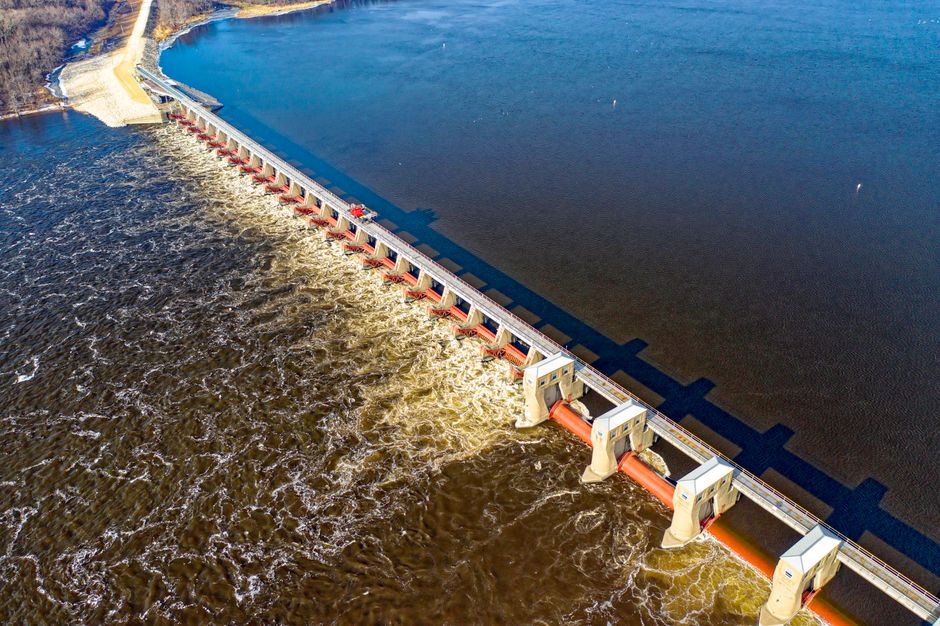
These structures can store billions of litres of water and release it in a controlled way, shaving down the peak of a flood event. Think of them less as a wall and more as a sponge. They absorb some of the surge, but they have limits.
When snowmelt, rain, and already-saturated ground all converge at once, no reservoir system can absorb everything. During record spring events like those seen in 2017 and 2019, the reservoirs simply ran out of storage capacity before the flood peak arrived downstream.
The Limits of the System
There's also a timing challenge. Operators have to make judgment calls weeks in advance about how much water to hold back versus release. Hold too much and you risk an uncontrolled release later; let too much through early and you've wasted your buffer.
Climate change is making those calls harder. Warmer winters mean unpredictable snowpack levels, and spring rain events are becoming more intense and less predictable. The Ottawa Valley's topography, a massive funnel draining into a relatively narrow river corridor, doesn't help.
Engineers and regulators are also managing competing demands: flood control, hydroelectric power generation, navigation, and downstream environmental flows all factor into how the gates get opened and closed.
What Experts Say
Water resource specialists consistently note that while reservoir management provides meaningful protection for average flood years, the system was not engineered to handle extreme events. The reservoirs reduce flood peaks, sometimes significantly, but they cannot eliminate them.
For residents living in the floodplain, that means flood control infrastructure is one layer of protection, not a guarantee. Floodplain zoning, community preparedness plans, and yes, flood insurance, all remain critical.
What Comes Next for Ottawa
The Ottawa River Regulation Planning Board continues to review its operating protocols after each major flood event, and there are ongoing conversations about whether additional storage capacity or updated modeling could improve outcomes.
Meanwhile, the City of Ottawa and surrounding municipalities are investing in local flood mitigation measures, from better stormwater infrastructure to updated flood maps that reflect current climate realities.
For now, if you live near the river and water is rising, the city's flood preparedness page and Ottawa Public Health offer practical guidance on protecting your home and what to do if evacuation orders come.
Source: CBC Ottawa

