Ottawa Has Flooded Four Times in a Decade. Residents Want Answers
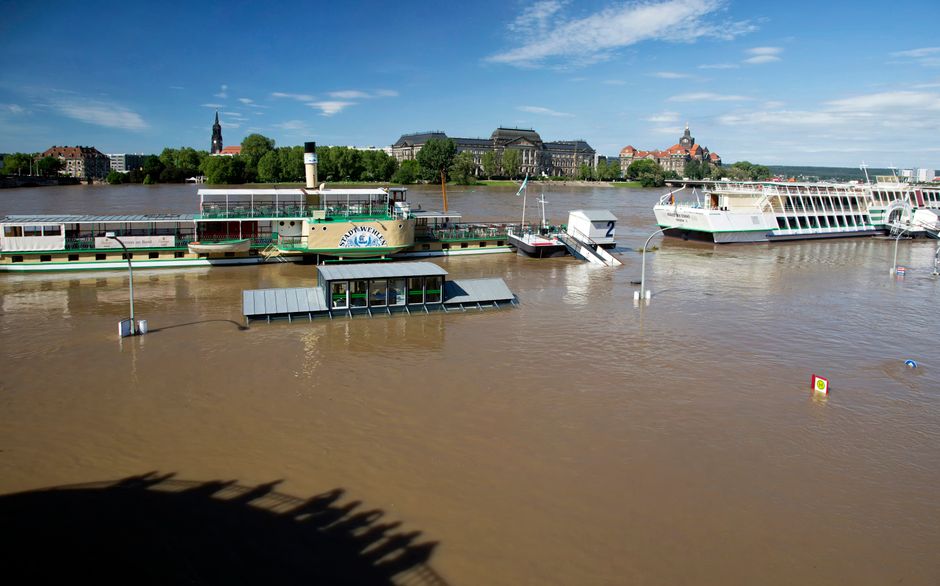
Ottawa has seen four major floods along the Ottawa River in the past ten years, and for the people who live in low-lying communities like Constance Bay, Cumberland, and Rockcliffe Park, the anxiety never really goes away. Every spring, the question isn't if the river will rise, it's how much.
CBC Ottawa's Jodie Applewaithe recently dug into what's actually being done to manage water levels, and the answers are complicated.
The Root of the Problem
The Ottawa River is one of the largest river systems in eastern Canada, draining a watershed of about 146,000 square kilometres stretching from northern Ontario and Quebec. Managing it isn't as simple as building a bigger wall.
Flood events in 2017 and 2019 were particularly devastating, forcing thousands of residents to evacuate and causing hundreds of millions of dollars in damages across Ontario and Quebec. Climate scientists have been warning for years that these extreme water events will become more frequent, not less, as precipitation patterns shift.
The challenge is that no single government controls the Ottawa River. Responsibility is split between the federal government, the provinces of Ontario and Quebec, municipalities like the City of Ottawa and Gatineau, and the Ottawa River Regulation Planning Board, a joint body that coordinates dam operations upstream.
What's Being Proposed
Several approaches have been floated by engineers, planners, and community advocates:
Better dam management: The Ottawa River watershed has a network of upstream reservoirs and dams that can be used to hold back water during high-flow periods. Critics argue these systems aren't being coordinated aggressively enough ahead of snowmelt season. Improving forecasting models and releasing water earlier, before a flood becomes imminent, could reduce peak flows downstream.
Floodplain mapping and zoning: Some experts argue the most effective long-term solution is simply keeping new development out of flood-prone areas. Updated floodplain maps, stricter zoning bylaws, and voluntary buyout programs for the most at-risk properties have all been discussed at the municipal level.
Permanent flood barriers: The City of Ottawa has explored permanent or semi-permanent berms and barriers for the hardest-hit neighbourhoods. While costly, proponents say the investment pays for itself compared to emergency response and repair costs after each flood.
Natural shoreline restoration: Wetlands and natural vegetation along riverbanks act as sponges, absorbing floodwater before it reaches homes. Restoring these natural buffers in Ottawa's greenbelt and along tributary streams is seen as a lower-cost, longer-term mitigation tool.
The Frustration on the Ground
For residents who have sandbagged their homes multiple times in a decade, the pace of action feels painfully slow. Many say they receive conflicting information from different levels of government, and that funding for flood mitigation keeps getting studied rather than spent.
The federal government's Disaster Mitigation and Adaptation Fund has directed money toward some Ottawa-area flood projects, but advocates say the scale of investment hasn't matched the scale of the problem.
What Comes Next
The Ottawa River Regulation Planning Board continues to refine its seasonal forecasting, and the City of Ottawa has committed to updating its official flood risk mapping. But without clear coordination between federal, provincial, and municipal authorities, and sustained funding, residents are unlikely to feel truly protected anytime soon.
For now, many Ottawa River communities are left doing what they've always done: watching the water, and hoping for the best.
Source: CBC Ottawa / Jodie Applewaithe. Original report at cbc.ca

