Ottawa-Area Rural Real Estate Rattled by High-Speed Rail Proposal
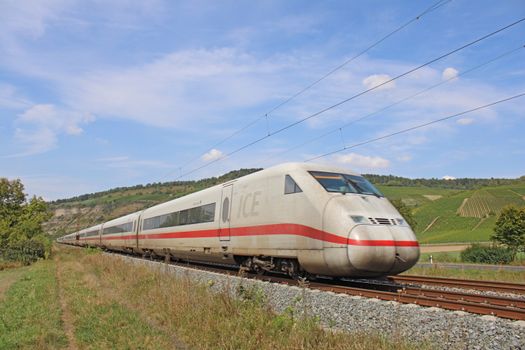
Ottawa's broader real estate landscape is feeling the ripple effects of Canada's high-speed rail ambitions, as a proposed corridor linking Toronto and the nation's capital has introduced a fresh wave of anxiety into rural and small-town property markets across Eastern Ontario.
The proposal, which would see high-speed trains slashing travel times between major Canadian cities, has been welcomed by urban commuters and transit advocates. But for homeowners and prospective buyers in the villages, townships, and rural stretches between Ottawa and Toronto, the announcement is anything but reassuring.
Uncertainty Is the New Market Force
Real estate agents and buyers in communities like Kingston and the small municipalities dotting the Ottawa Valley and Eastern Ontario corridor are reporting a measurable chill in activity. When a major infrastructure corridor is proposed but not yet mapped with precision, properties that might fall within the right-of-way become difficult to price and even harder to sell.
The concern isn't just theoretical. High-speed rail requires relatively straight, flat alignments, and carving that kind of route through rural Ontario often means expropriating farmland, rural residential lots, and hobby farms that families have held for generations. Even properties adjacent to a corridor can lose value due to noise, disruption during construction, and changes to the surrounding landscape.
For buyers, the calculus is simple: why purchase a rural retreat outside Ottawa if there's a non-zero chance it sits in the path of a future rail line?
What This Means for Ottawa-Area Buyers and Sellers
For those eyeing rural properties within an hour or two of Ottawa, think Lanark County, Renfrew County, the villages along Highway 7 toward Perth and Carleton Place, or communities east toward Kingston, due diligence has taken on a new layer of complexity.
Buyers are being advised to research any municipal or provincial consultations about the HSR corridor before making offers on rural land. Sellers in affected zones may find their pool of confident buyers shrinking until the route is officially confirmed or ruled out.
Ottawa real estate watchers note this is part of a broader pattern: major infrastructure announcements, whether LRT expansions, highway widening projects, or now inter-city rail, tend to create short-term market friction in areas of uncertainty, even when the long-term outcome could ultimately boost regional connectivity and property values.
The Bigger Picture for Eastern Ontario
High-speed rail between Ottawa and Toronto would be transformative for the region if it ever materializes. Travel times could drop from four-plus hours to under two, making cities like Kingston and communities along the route more attractive for commuters willing to trade urban density for rural space.
But that upside is years, possibly decades, away. In the meantime, the proposal has introduced a speculative cloud over a rural market that had enjoyed strong demand during the post-pandemic migration out of cities.
For now, rural buyers near Ottawa would be wise to consult with a local real estate lawyer and keep a close eye on provincial infrastructure announcements before signing on the dotted line.
Source: The Kingston Whig Standard via Google News Ottawa Real Estate feed.