Ottawa sits at a unique intersection in Ontario real estate: a city of nearly one million people surrounded by rural landscapes that remain within commuting distance. The pandemic accelerated a shift toward rural and exurban living that has partially persisted, and Ottawa buyers in 2026 are making deliberate choices between urban density and rural space.
The Ottawa Rural Fringe Opportunity
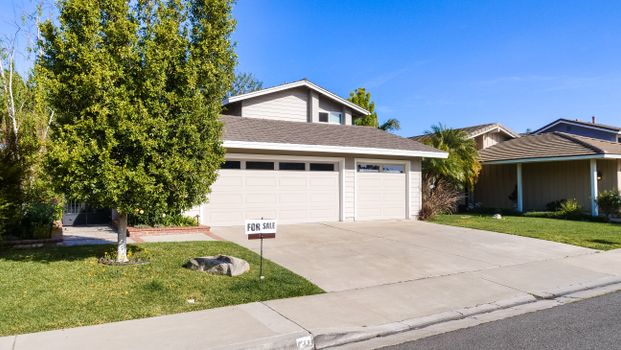
Within a 45-minute drive of downtown Ottawa, buyers can access properties in Carleton Place, Almonte, Metcalfe, North Gower, Constance Bay, and Arnprior. Detached homes on half-acre or larger lots in these areas frequently sell for $450,000 to $600,000, significantly below Ottawa's urban benchmark. Lanark County in particular has seen sustained buyer interest from Ottawa professionals working hybrid schedules.
What You Give Up Going Rural
The tradeoffs are real. Rural Ontario properties often rely on wells and septic systems, which require ongoing maintenance and periodic replacement ($15,000 to $30,000 for a new septic system, $8,000 to $20,000 for a drilled well). High-speed internet connectivity has improved dramatically across Ottawa's rural surroundings since 2021, the federal and provincial Rural Internet program has brought fibre to many communities, but coverage is still inconsistent.
Emergency services, hospital access, and school options are more limited. OC Transpo does not serve rural areas. If you're car-dependent and your vehicle breaks down, rural life becomes genuinely difficult.
The Hybrid Commuter Sweet Spot
For Ottawa federal public servants working two or three days per week in office, a rural property 40 to 50 km from downtown has become a viable lifestyle. The Highway 7 corridor west of Ottawa toward Perth and Carleton Place, and the Highway 43 corridor south toward Kemptville, are the most popular corridors for this buyer type. Kemptville specifically has seen consistent price appreciation as a result of its commuter appeal.
Rural Properties and Financing
Rural properties can be harder to finance. Lenders apply stricter scrutiny to properties with well and septic, acreage above five acres, or non-standard construction. CMHC insured mortgages are available for rural properties but subject to additional guidelines. Some lenders apply a locational cap on insured mortgage amounts for properties in low-population areas.
Urban Ottawa: The Case for Staying In
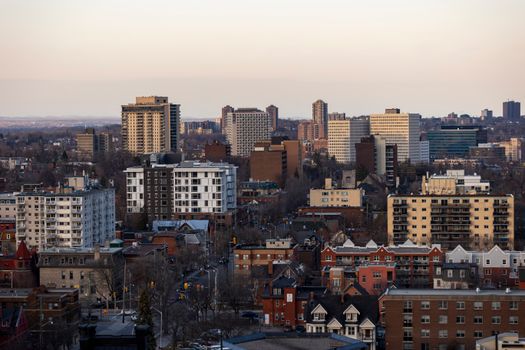
For buyers who prioritize walkability, access to amenities, schools, healthcare, and Ottawa's growing LRT network, urban properties remain compelling despite higher prices. Areas like Westboro, Centretown, Hintonburg, and Vanier offer density and lifestyle that rural properties cannot match. The Confederation Line extension into Barrhaven has also refreshed interest in that southwestern corridor.
What Buyers Are Actually Choosing in 2026
Data from the Ottawa Real Estate Board shows that single-family detached sales within the urban boundary still account for roughly 68% of total Ottawa-area transactions. Rural and exurban sales have stabilized after the pandemic surge. The bifurcation in buyer preferences is real, but the majority of Ottawa buyers are still choosing urban or suburban over rural when they run the true cost and lifestyle analysis.