Ottawa Reports Alarming Uptick in School Zone Speeding
Ottawa officials are sounding the alarm over a "significant uptick" in speeding within school zones since Ontario banned automated speed enforcement cameras four months ago. The move to eliminate speed cameras, which many drivers viewed as revenue-generating tools, is now revealing the unintended safety consequences of removing a key traffic deterrent in neighborhoods with schools.
The timing is striking. Automated cameras were acting as a powerful psychological deterrent that kept drivers in check near vulnerable road users. With those cameras gone, speeders are returning to school zones at concerning rates, putting Ottawa's youngest residents at direct risk.
Why Ontario Banned the Cameras
The provincial government banned automated speed enforcement cameras under the argument that they were primarily revenue-generating rather than genuine safety measures. The decision aligned with long-standing complaints from drivers frustrated with what they called "photo radar" traps.
Yet transportation safety advocates in Ottawa point out a crucial reality: regardless of the political reasoning behind the ban, the cameras were working. They were making drivers slow down in zones where children walk, cycle, and cross streets during peak school hours, and that deterrent effect mattered.
The Critical Safety Issue
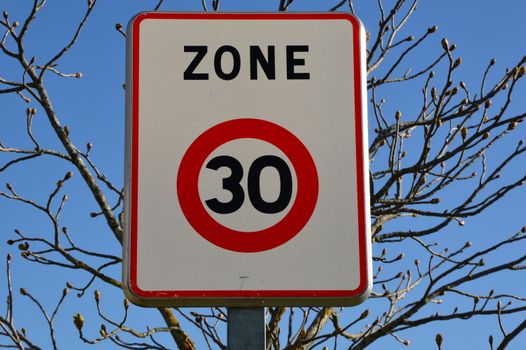
School zones in Ottawa maintain lower speed limits, typically 30 or 40 km/h during school hours, based on research showing that pedestrians hit at lower speeds are significantly more likely to survive. Every single kilometer per hour matters when it comes to child safety.
The reported increase in speeding violations means those crucial safety margins are eroding. Parents walking their children to school, and students cycling or walking independently, are now navigating streets where drivers increasingly ignore posted limits. The problem spans Ottawa's diverse neighborhoods, from central residential areas to suburban campuses, suggesting this is a citywide trend, not an isolated issue.
School administrators and parent councils have already expressed concerns, with some organizing community meetings to address the safety crisis.
Moving Forward: What's Next for Ottawa?
The city now faces a real challenge: restoring safety to school zones without the tool that was demonstrably working. Potential solutions include increased police presence during school hours, physical traffic calming measures like raised crosswalks and street narrowing, or community-led awareness campaigns.
This situation also underscores a broader tension in public policy: balancing revenue concerns against public safety. Ottawa has an opportunity to lead by example, showing how communities can prioritize student safety even after losing an enforcement tool.
For families in Ottawa, the message is clear, remain vigilant, use designated crosswalks, and continue advocating for safer streets around our schools.
Source: Ottawa Citizen

