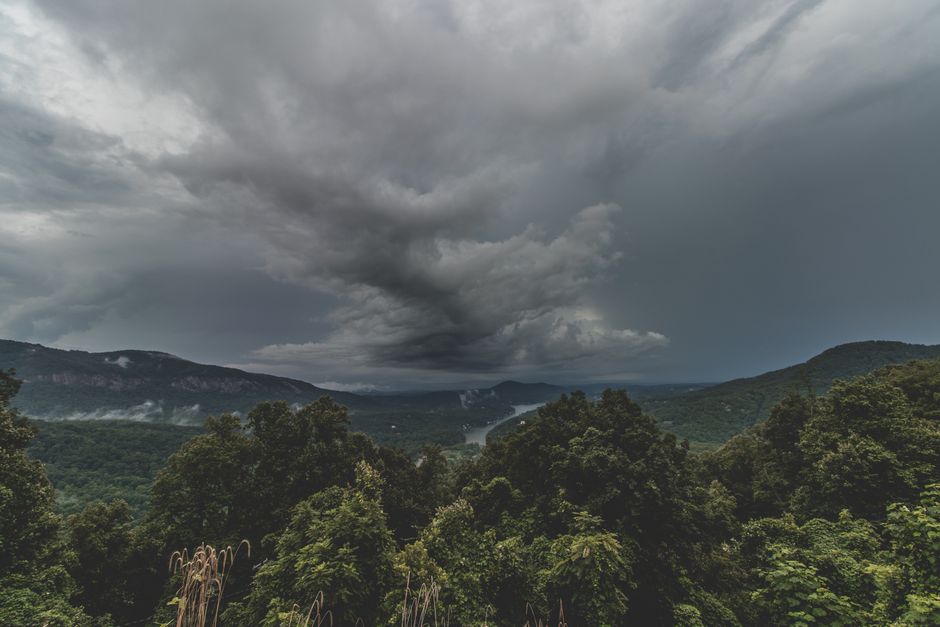
Ottawa has seen firsthand what severe weather can do to a city. The 2018 tornado outbreak tore through Dunrobin and Arlington Woods, and the 2022 derecho knocked out power for hundreds of thousands of residents and left a lasting mark on how the region thinks about storm readiness. So when CBC reported that a severe weather risk expert is leaving the United States to join Western University, it's the kind of story that resonates well beyond London, Ontario.
Why This Matters for Ontario
Western University, located about two hours southwest of Ottawa, has built a reputation as a hub for wind and storm research through its Northern Tornadoes Project and its broader engineering and environmental science programs. Attracting a researcher who specializes in severe weather risk adds to that base of expertise in the province, which matters for every Ontario community that has to plan around extreme weather events, Ottawa included.
Severe weather risk research covers things like how tornadoes and wind events form, how to better predict them, and how infrastructure and emergency planning can be improved to reduce damage and save lives. That kind of work doesn't stay confined to one campus. Findings from Western's researchers often inform provincial weather tracking, building codes, and emergency response planning that ripple out to cities like Ottawa.
An Ottawa Connection Through Shared Risk
Ottawa sits within the same severe weather patterns that affect much of southern and eastern Ontario. The capital has become increasingly familiar with the kind of high-impact wind events that researchers at Western study closely. After the 2022 derecho, Ottawa residents and city officials spent months assessing tree loss, power grid resilience, and emergency response times. Any advancement in understanding how these storms form and intensify is directly relevant to how Ottawa prepares for the next one.
The city's own emergency planning has leaned on expert weather analysis before, particularly in the aftermath of the Dunrobin tornado, when questions arose about tornado tracking and public warning systems in the region. Stronger academic research capacity in Ontario, closer to home than relying solely on American institutions, could mean faster, more locally relevant insights for Ottawa's emergency management teams down the line.
What Comes Next
Details on the researcher's specific projects at Western have not been fully outlined, but the move itself signals a growing concentration of severe weather expertise within Ontario's academic institutions. For Ottawa residents who have watched skies darken with real concern in recent summers, having that kind of research closer to home is a welcome development.
As climate patterns continue to shift and severe weather events become a more regular part of the conversation across Ontario, keeping top researchers in the province, rather than losing them to institutions elsewhere, could pay off in better forecasting and preparedness for cities like Ottawa in the years ahead.
Source: CBC