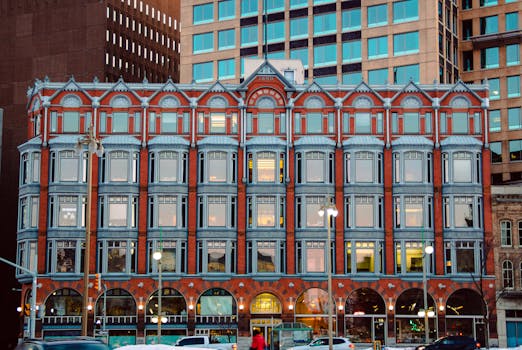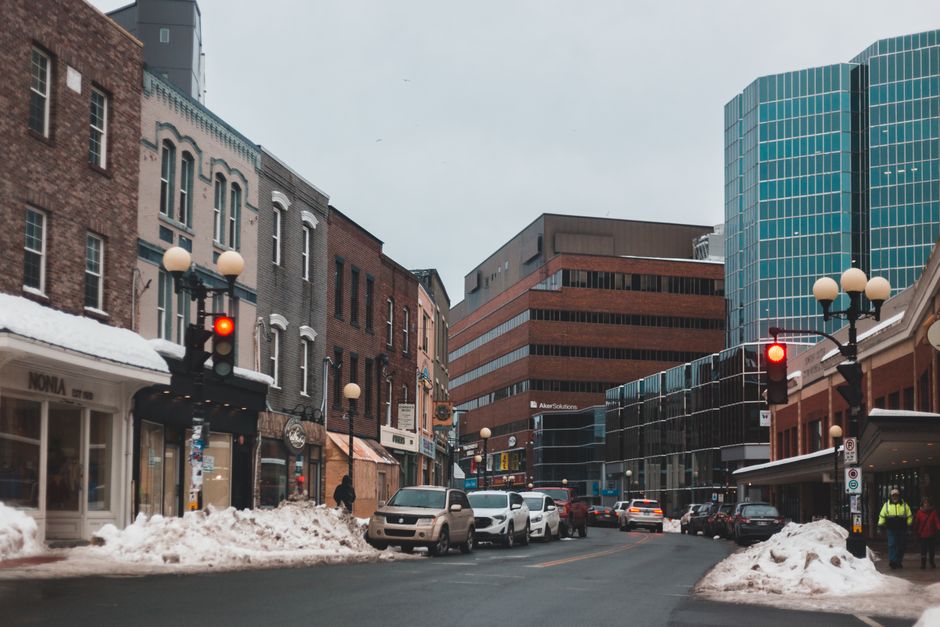
Ottawa has no shortage of empty spaces, shuttered storefronts along once-bustling stretches, vacant lots sitting idle in growing neighbourhoods, and underused civic buildings that feel frozen in time. A new Shared Ground event is putting those spaces at the centre of a community conversation, asking a deceptively simple question: who will lead their transformation?
What Is Shared Ground?
Shared Ground is a community-focused event series that brings together residents, artists, urban planners, developers, and advocates to talk honestly about how cities evolve, and who gets a seat at the table when they do. The latest instalment, covered by Apartment613, zeroes in on Ottawa's empty and underutilized spaces, exploring the forces that shape what they become and who benefits from that change.
It's the kind of event that doesn't come with easy answers. Instead, it creates space for the messy, necessary dialogue that often gets skipped when decisions about land and buildings are made behind closed doors.
Why Ottawa, Why Now?
The timing feels particularly sharp. Ottawa's urban core has been slowly rebounding from the twin blows of the pandemic and the ongoing disruption around LRT construction, but recovery hasn't been evenly distributed. Some streets have bounced back; others still show the telltale signs of economic uncertainty, empty windows, for-lease signs, and the hollow quiet of a space that used to hum with life.
At the same time, the city is growing. New residents are arriving, neighbourhoods are shifting, and there's mounting pressure on municipal leaders, developers, and community organizations to make smart, equitable decisions about what fills those gaps.
For Ottawa residents who care about their city's character, the independent bookshop that anchors a block, the community mural that gives a neighbourhood its identity, events like Shared Ground matter. They're a reminder that transformation doesn't have to mean displacement, and that community voices can shape outcomes if they show up early enough.
The Bigger Picture
The question of who leads urban transformation is rarely just about buildings. It's about power, resources, and whose vision of a city gets realized. Community land trusts, artist-run spaces, co-operative models, and city-led placemaking initiatives all offer different answers, and Shared Ground seems intent on putting those alternatives into conversation with each other.
Ottawa has seen inspiring examples of community-driven reinvention before: pop-up markets breathing life into parking lots, artist collectives taking over temporary leases, and neighbourhood associations fighting to preserve affordable commercial space. The challenge is scaling those wins and making them stick.
Get Involved
If you're curious about the future of Ottawa's spaces, whether you're a renter, a business owner, an artist, or just someone who walks past one too many empty storefronts on your commute. Shared Ground is worth your time. Check Apartment613 for event details and registration information.
The city's empty spaces aren't just gaps on a map. They're opportunities. The question is whether Ottawa's residents get to help decide what they become.
Source: Apartment613 via Google News Ottawa Arts