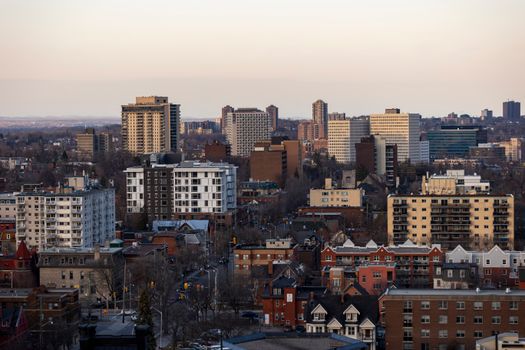
Ottawa homeowners have increasingly looked to Airbnb, VRBO, and other short-term rental platforms as a way to generate income from their properties. With Ottawa's average home at approximately $650,000 and carrying costs significant, a well-managed short-term rental can offset thousands of dollars in monthly expenses. But the landscape has changed considerably, and understanding the rules before listing is essential.
Ottawa's Short-Term Rental Licensing Framework
Ottawa City Council implemented a Short-Term Rental (STR) licensing regime that requires all hosts to obtain a licence, pay an annual fee, and meet specific safety requirements. Crucially, Ottawa's rules limit short-term rentals to principal residences, meaning homeowners can list their primary home (or a portion of it) but cannot legally operate short-term rentals from investment properties they do not live in.
The principal residence requirement was implemented specifically to prevent the conversion of long-term rental housing stock into tourist accommodation, a concern shared by municipalities across Canada. Hosts violating the principal residence rule face fines that can exceed $10,000.
What Ottawa Hosts Can Earn
Ottawa's short-term rental market is anchored by government and conference demand. The national capital attracts federal consultants, lobbyists, visiting diplomats, and tourists visiting Parliament Hill, the Rideau Canal, and national museums. During peak periods, spring and fall parliamentary sitting seasons, the Tulip Festival in May, Canada Day in July, and Winterlude in February, occupancy rates for well-located Ottawa listings can reach 80–90%.
A well-positioned one-bedroom property near Parliament Hill or the Glebe can generate $3,000–$5,000 gross monthly during peak seasons. An entire detached home in a central neighbourhood during peak festival weeks can command $400–$700 per night. Annual gross revenues for a well-run Ottawa STR property in a good location typically fall between $35,000 and $60,000, though net returns after expenses and taxes are considerably lower.
Tax Obligations Ottawa Hosts Must Understand
Short-term rental income in Canada is taxable as business income, not capital gains. Ottawa hosts must report STR revenue on their annual tax returns and may be required to collect and remit Ontario's Transient Accommodation Tax and any applicable HST if revenues exceed the $30,000 small supplier threshold.
Hosts who use their principal residence for STR income must also be aware of the potential principal residence exemption implications when they sell. CRA has increased scrutiny of STR income, and the designated principal residence exemption may be proportionally reduced if a significant portion of the home is consistently rented commercially.
Insurance: The Critical Gap
Standard home insurance policies do not cover short-term rental activity. Ottawa homeowners who list on Airbnb or VRBO without notifying their insurer risk having claims denied, including fire, water damage, or liability claims from guests. Dedicated STR insurance products exist and typically cost $1,500–$3,000 annually depending on the property type and rental frequency.
Neighbourhood Considerations
Not all Ottawa neighbourhoods welcome STRs equally. Some condo corporations in Ottawa's downtown core have passed bylaws prohibiting short-term rentals in their buildings, buyers of downtown condos should review status certificates carefully for such restrictions before purchasing with STR income in mind.
For Ottawa homeowners navigating the STR landscape in 2026, the opportunity is real but the compliance burden has increased meaningfully. The days of casual Airbnb hosting without regulatory engagement are over, but for owners willing to operate properly, Ottawa's government-driven visitor economy provides a durable demand base.