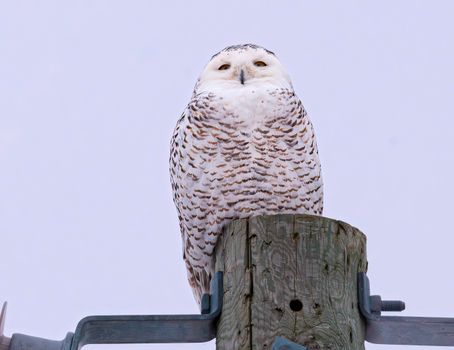
Ottawa's Snowy Owls on the World Stage
Ottawa birders and wildlife lovers have long celebrated the winter arrival of snowy owls along the city's rural outskirts and farmlands, but now the iconic white raptors are at the centre of international conservation talks happening thousands of kilometres away in Brazil.
The United Nations Conference on Migratory Species (CMS COP15) is currently underway, and delegates from around the world are debating whether to grant additional protections to dozens of vulnerable animals, including the snowy owl (Bubo scandiacus), giant otter, and several species of hammerhead shark.
Why Snowy Owls Need Help
Snowy owls breed on the Arctic tundra and migrate south each winter, with the Ottawa Valley and surrounding farmland serving as prime wintering habitat. Birdwatchers regularly flock to spots like the Ottawa Greenbelt, Stittsville, and the surrounding rural roads to catch a glimpse of these striking birds perched on fence posts or soaring low over open fields.
Despite their seeming abundance during irruption years, when large numbers push south in search of prey, snowy owl populations face serious long-term pressures:
- Climate change is rapidly altering Arctic breeding grounds, shrinking the tundra habitat they depend on
- Collisions with vehicles and power lines kill hundreds of birds each year during southern migrations
- Rodenticide poisoning from eating contaminated prey is an emerging concern
- Habitat degradation along migratory corridors reduces available wintering areas
Proposing snowy owls for listing under the CMS would trigger coordinated international action, requiring countries along their migratory range, including Canada, to work together on habitat protection and threat reduction.
Beyond the Owl: A Broader Push for Wildlife
The snowy owl is just one of many species on the table at the Brazil conference. Giant otters, found in South American river systems, face habitat destruction and pollution. Multiple hammerhead shark species are under threat from overfishing and the global fin trade, with populations having collapsed dramatically in recent decades.
Conservationists argue that migratory species are uniquely vulnerable because they cross international borders, meaning no single country can protect them alone. A bird that nests in Canada's Arctic, winters in Ohio or Quebec, and passes through a dozen jurisdictions along the way needs coordinated protection at every stop.
What This Means for Ottawa
For Ottawa's active birding community, one of the most engaged in the country, stronger international protections for snowy owls would be welcome news. Local groups like the Ottawa Field-Naturalists' Club have long tracked owl populations and raised awareness about collision risks along rural roads during peak migration.
If the CMS listing moves forward, Canada would be expected to contribute to international recovery plans, which could include everything from better vehicle collision data to habitat restoration initiatives right here in the Ottawa Valley.
Keep an eye on the conference results: and in the meantime, if you spot a snowy owl this season, keep your distance, resist the urge to approach, and report your sighting to eBird. Every observation helps researchers understand where these birds are, and how best to protect them.
Source: CBC Ottawa / CBC News. Original reporting by CBC Climate.

