Ottawa's Geological Challenge
Ottawa sits on a geological foundation that dates back to the last ice age, and that legacy is shaping construction challenges across the city today. Much of the region lies on deposits of soft clay and silt, remnants of the Champlain Sea that covered the area thousands of years ago. This soil composition, while natural and inevitable, presents serious engineering and financial obstacles for developers, builders, and municipalities planning projects from residential homes to major infrastructure.
Why Soft Soil Matters for Construction
When construction crews and engineers assess a building site in Ottawa, soil quality and stability are paramount concerns. Soft soil, particularly clay with high water content, compresses and settles over time, especially when weighted by heavy structures. This differential settlement can cause foundations to crack, buildings to tilt, or infrastructure to fail prematurely.
Builders in Ottawa must invest heavily in site preparation and specialized foundation techniques to counteract these conditions. Deep pilings, soil stabilization treatments, and extensive geotechnical surveys add significant time and cost to projects. What might be a straightforward build in regions with stable bedrock becomes a complex engineering problem in Ottawa's clay-heavy geography.
The Real Estate and Development Impact
For the real estate market, this geological reality has concrete implications. New residential and commercial projects must budget for expensive soil remediation and advanced foundation systems. Developers often discover unexpected soil conditions mid-project, leading to costly delays and design revisions.
Existing properties also feel the effects. Older homes built before modern building codes may show signs of settlement, cracks in basements, uneven floors, or doors that no longer close properly. Many Ottawa homeowners invest in foundation repair or underpinning to stabilize aging structures built on clay.
Infrastructure and Utilities
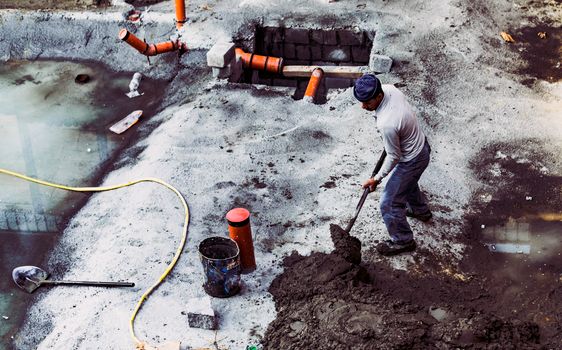
Ottawa's soft soil also affects the city's utilities and infrastructure. Water mains, sewer lines, and buried utility conduits must be installed with awareness of soil movement and settling. The city's transit expansion projects, including the LRT network, required specialized engineering to accommodate Ottawa's geological conditions.
Regional Variations
Not all of Ottawa experiences the same soil challenges. The western and northern parts of the city, built on bedrock or better-drained soils, present fewer obstacles. However, central Ottawa and areas near the Ottawa River, where the clay deposits are thickest, demand the most rigorous engineering solutions.
Looking Ahead
As Ottawa continues to grow and intensify development, understanding and managing soft soil remains a critical consideration. The city's geological constraints won't disappear, but advances in geotechnical engineering and improved site investigation practices help builders work within these natural limitations more effectively.
For homebuyers and property investors, recognizing Ottawa's soil conditions is part of understanding the real estate market. It explains construction costs, influences property values, and shapes the long-term durability of structures across the city.
Source: Ottawa Citizen