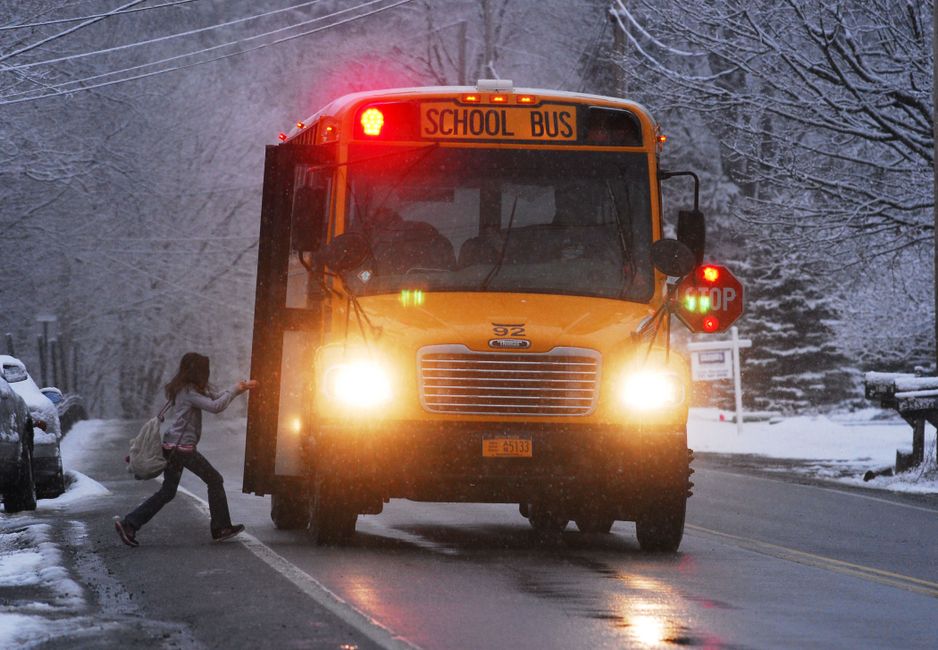
Ottawa's school zones are getting a lot more dangerous, and the numbers back it up.
Five months after the Ontario government shut down its automated speed enforcement (ASE) program, the City of Ottawa is reporting a measurable spike in speeding in areas that were once monitored by photo radar cameras. Officials are calling it a "clear setback" for traffic safety, and parents and advocates are raising alarms about what it means for kids walking to school.
What the Data Shows
Before the provincial ASE program was cancelled, photo radar cameras had become a fixture in Ottawa school zones and community safety zones. The cameras were operated by municipalities under a provincial framework, and they worked. Studies consistently showed that drivers slowed down in areas where the cameras were active, with repeat offenders receiving escalating fines.
Since the cameras went dark, city monitoring data shows that average speeds in those same zones have crept back up. The enforcement deterrent is simply gone, and drivers know it.
Why Ontario Pulled the Cameras
The Doug Ford government moved to shut down the ASE program amid criticism that the cameras were more about revenue generation than road safety. Opponents argued the fines were hitting working-class drivers disproportionately and that the program lacked transparency.
But safety advocates pushed back hard. Organizations representing school communities, cyclists, and pedestrians warned that removing the cameras would cost lives, and Ottawa's early data suggests those warnings weren't unfounded.
Ottawa's Response
The City of Ottawa had been one of the more aggressive municipal adopters of photo radar, deploying cameras across dozens of school zones over the past few years. Local officials lobbied the province to reconsider, or at minimum to give municipalities the tools to run their own enforcement programs independently.
For now, the city is left with traditional enforcement options: police patrols, speed humps, and signage. Those measures help, but they don't offer the consistent, round-the-clock deterrence that automated cameras provided.
City staff have flagged the issue to council and are watching the data closely. Whether Ottawa will push for new provincial legislation or explore other traffic calming infrastructure remains to be seen.
What It Means for Families
For parents dropping kids off at Ottawa elementary schools, the change is palpable. The slow-moving school zone pace that had become the norm over the past few years is eroding. Crossing guards and school staff have noted that drivers are less patient and less cautious than they were when cameras were present.
Road safety advocates are calling on the province to restore the program, or at minimum give municipalities like Ottawa the authority to run their own ASE operations without provincial sign-off.
Until something changes, Ottawa families are left hoping drivers will slow down on their own, and the data suggests that's not a great bet.
Source: Global News Ottawa

