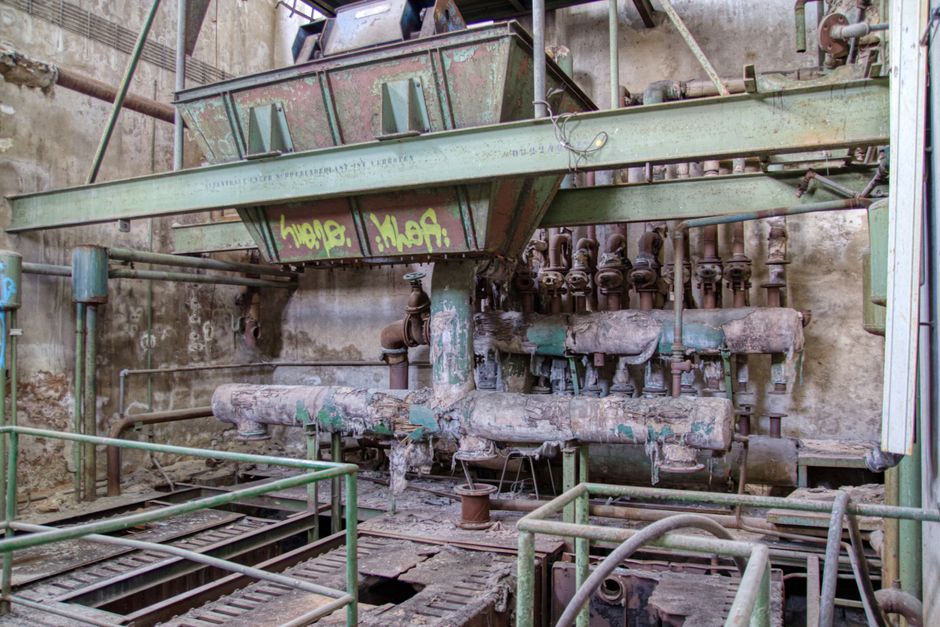
Ottawa has its own collection of contaminated, half-forgotten industrial sites waiting for someone to deal with them, which is exactly why a brewing legal battle three-and-a-half hours away in St. Catharines is worth paying attention to. The owners of a former General Motors plant there have filed an appeal against city orders demanding they clean up the property, setting up a fight over who pays to fix decades-old industrial messes.
What's happening in St. Catharines
The city of St. Catharines issued cleanup orders for the former GM site, the kind of property that once anchored a local economy and now sits as a question mark on the map. When those orders were first made, the city was blunt about the stakes: the owners could face monetary penalties or even prosecution under the Provincial Offences Act if they failed to comply.
Now the property owners have appealed those orders, pushing the matter into a longer legal process. It's a familiar standoff in cities across Ontario, a municipality wants land remediated and returned to productive use, while owners push back on the cost and scope of what's being demanded.
The Ottawa angle
Ottawa knows this story well. The capital has spent years wrestling with what to do about its own legacy industrial and brownfield sites, stretches of land left behind by old manufacturing, rail, and storage operations that can't simply be redeveloped without expensive environmental cleanup first. LeBreton Flats remains the most famous example, a sprawling downtown parcel whose contamination and remediation history dragged out redevelopment for generations.
The core issue is the same here as it is in St. Catharines: contaminated land is a liability nobody wants to absorb, and the question of whether the city or the private owner foots the cleanup bill can stall a property for years. For Ottawa residents watching housing supply tighten and eyeing every empty lot as a possible future neighbourhood, these disputes matter. Brownfield sites are some of the most logical places to build, they're already serviced, often central, and don't eat into greenspace, but only once the cleanup question is settled.
Why these cases set precedent
How St. Catharines' orders hold up on appeal could ripple outward. Municipalities across Ontario, Ottawa included, rely on the threat of penalties and prosecution to force action on neglected sites. If owners can successfully challenge those orders, it weakens a tool cities use to keep derelict land from sitting idle indefinitely.
For now, the St. Catharines case is a reminder that cleaning up the past is rarely simple or cheap, and that the legal wrangling can outlast the factories themselves. Ottawa, with its own backlog of sites awaiting a second life, has every reason to keep an eye on how it plays out.
Source: Global News Ottawa.

