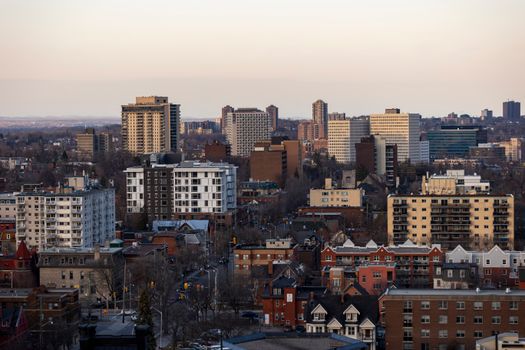
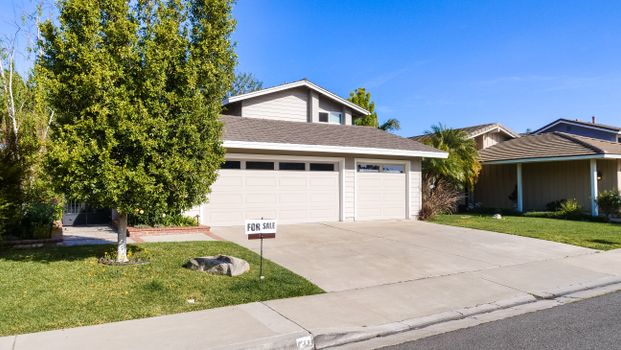
Ottawa households are grappling with an economic phenomenon that most Canadians hoped they'd never have to face: stagflation. It's the kind of economic environment that doesn't play by normal rules, and for anyone trying to buy, sell, or even just hold onto a home in the capital, the effects are very real.
What Is Stagflation, and Why Does It Matter?
Stagflation happens when three unwelcome forces hit at the same time: economic growth slows down, unemployment climbs, and inflation stays stubbornly high. Each of those on its own is painful. Together, they create a trap that's notoriously hard for policymakers to escape.
The reason it's so tricky is that the usual fixes contradict each other. To fight inflation, central banks raise interest rates, which slows the economy further and puts more pressure on jobs. To fight a slowdown, you'd normally cut rates and stimulate spending, but that risks making inflation worse. It's a no-win scenario that leaves households caught in the middle.
The Old Rules No Longer Apply
For decades, Canadians operated under a fairly reliable set of assumptions: buy a home as early as you can, it'll appreciate over time, and owning beats renting every time. Stagflation throws a wrench into all of that.
When inflation is high but wages aren't keeping pace, the purchasing power families were counting on simply isn't there. When unemployment rises, the job security that made a 25-year mortgage feel manageable starts to look a lot less certain. And when economic growth stalls, the expectation that home values will reliably climb becomes a lot harder to count on.
As France Lépine, owner and master builder of Lépine Apartments, puts it: stagflation is a direct challenge to the financial planning assumptions that have shaped Canadian households for decades.
Renting Is No Longer a Fallback. It May Be the Strategy
One of the bigger mindset shifts happening right now is around renting. In Ottawa's housing culture, like most of Canada, renting has long been viewed as a temporary step on the way to "real" ownership. Stagflation is forcing a rethink.
For families facing uncertainty about income, interest rates, and market direction, renting offers flexibility that a fixed mortgage can't. It keeps options open. And with purpose-built rental stock in Ottawa growing, renting doesn't have to mean compromising on quality of life.
This isn't defeatism, it's adaptation. Recognizing that homeownership isn't always the right financial move at every moment in time is a sign of financial maturity, not failure.
What Ottawa Buyers Should Be Thinking About
If you're still considering a purchase, the key is stress-testing your assumptions. Ask yourself: what happens to your budget if rates stay elevated for another two or three years? What if your income dips? What if home prices plateau rather than rise?
The families who will navigate this environment best are the ones who go in with realistic expectations, a strong emergency cushion, and a long enough time horizon to ride out volatility.
Stagflation won't last forever, but it does demand that Ottawa households think differently about one of the biggest financial decisions of their lives.
Source: Ottawa Life Magazine, via France Lépine, Owner and Master Builder, Lépine Apartments.