Stittsville Home Destroyed After Power Bank Ignites
Ottawa was reminded this week of the serious fire risks posed by everyday electronics after a lithium-ion battery power bank sparked a devastating house fire in the Stittsville community in the city's west end.
Firefighters responded to the blaze, which caused significant damage to the home. Lithium-ion batteries, the same technology powering smartphones, laptops, e-bikes, and portable chargers, are increasingly being linked to house fires across North America, and Ottawa is no exception.
What Makes Lithium-Ion Batteries So Dangerous?
Lithium-ion batteries can enter a condition called thermal runaway, where an internal failure causes the battery to rapidly overheat, release flammable gases, and catch fire, sometimes with very little warning. The process can escalate in seconds.
Common triggers include:
- Overcharging: leaving devices plugged in overnight or beyond full charge
- Physical damage: a cracked or dented battery is a fire risk waiting to happen
- Cheap or counterfeit chargers: off-brand accessories may not have proper voltage regulation
- Heat exposure: storing devices in hot cars or near heat sources accelerates battery degradation
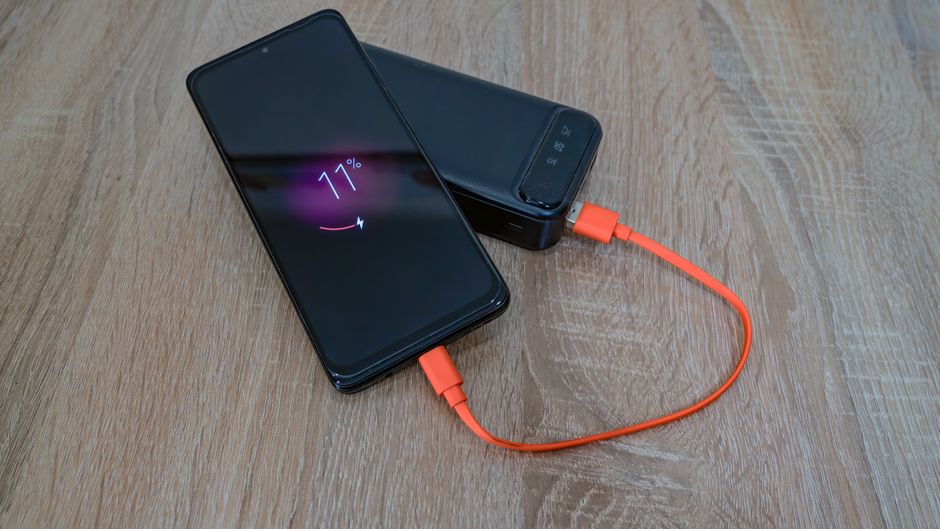
Power banks are particularly risky because they're often left charging unattended for long periods, and low-quality units may lack the protection circuits that prevent overcharging.
Ottawa Fire Services Has Been Sounding the Alarm
Ottawa Fire Services has been raising awareness about lithium-ion battery dangers for the past couple of years, noting a growing number of fires traced back to e-bikes, scooters, and portable chargers. The Stittsville fire adds to a troubling trend that fire departments across Ontario are tracking closely.
Experts recommend charging devices only when you're awake and present, and never leaving them charging on furniture like beds or sofas, both of which can ignite quickly and cut off escape routes.
How to Safely Use and Store Power Banks
If you own a portable charger or power bank, here are some Ottawa Fire Services–aligned safety tips to keep your home safe:
- Only buy from reputable brands with certified safety ratings (look for UL, CSA, or CE markings)
- Never charge overnight or leave unattended for extended periods
- Stop using a battery that feels hot, swells, or smells unusual: these are warning signs of imminent failure
- Dispose of old or damaged batteries properly: Ottawa residents can drop off lithium-ion batteries at designated hazardous waste depots. Check the City of Ottawa's waste calendar for the nearest location
- Don't store power banks in direct sunlight or in vehicles during summer months
The Bigger Picture
As Ottawa residents increasingly rely on rechargeable devices, from e-bikes commuting along the NCC pathways to power banks keeping phones alive during Sens games, the risk of lithium-ion fires is only going to grow. Fire officials across Canada are calling on federal regulators to tighten safety standards on imported batteries, many of which don't meet Canadian safety benchmarks.
For now, the best protection is awareness. The Stittsville fire is a sobering example of how a small, everyday device can cause catastrophic damage in minutes.
If you witness signs of a battery fire, smoke, a burning chemical smell, or a swelling device, evacuate immediately and call 911. Do not attempt to put out a lithium-ion fire with water.
Source: CTV News Ottawa via Google News

