City Planners Say No to Greenfield Growth in Stittsville
Ottawa city staff are recommending that a proposal to expand the urban boundary in Stittsville, which would have opened land for approximately 360 new homes, be rejected, adding fresh tension to the ongoing debate about how and where the capital should grow.
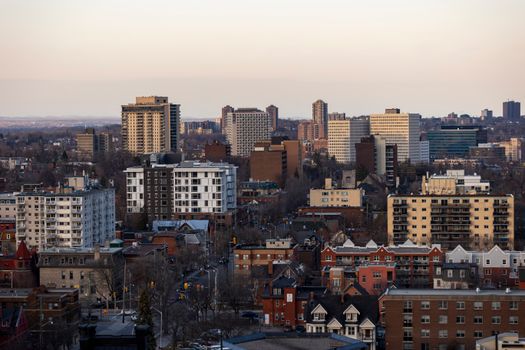
The recommendation, filed by city planning staff, advises council against approving the boundary expansion request. While the full details of the staff report were still being reviewed, the recommendation reflects a broader planning philosophy that has taken hold at Ottawa City Hall in recent years: grow up, not out.
What's at Stake in Stittsville
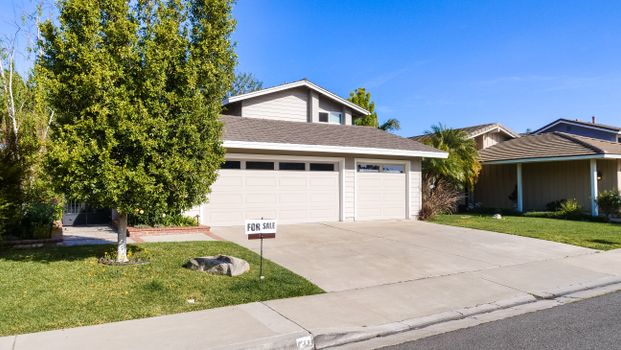
Stittsville, a rapidly growing suburb on Ottawa's western edge, has seen significant development pressure over the past decade. The community has transformed from a sleepy village into one of the city's fastest-expanding neighbourhoods, drawing young families and first-time buyers priced out of more central areas.
Proponents of the boundary expansion argue that Ottawa needs more housing supply, and fast. With home prices stubbornly high and rental vacancy rates tight, supporters say greenfield development in areas like Stittsville is one of the most practical ways to bring new units to market quickly.
But staff appear unconvinced. Their recommendation signals that the city believes existing lands within the current urban boundary can accommodate growth without pushing further into undeveloped territory.
The Intensification Argument
Ottawa's official plan has long emphasized intensification, building more housing in already-serviced areas, near transit corridors, and in established neighbourhoods, rather than sprawling outward. Expanding the urban boundary typically means new infrastructure costs: roads, sewers, water lines, transit, schools, and parks, all of which the city ultimately bears responsibility for maintaining for decades.
Critics of greenfield expansion point out that the long-term cost of servicing new suburban neighbourhoods far outweighs the short-term appeal of delivering more units. Every new subdivision on the fringe, the argument goes, stretches municipal budgets thin and contributes to car-dependent development patterns that are difficult to retrofit later.
What Happens Next
A staff recommendation is not the final word. City council has the authority to override planning staff and approve the boundary expansion if a majority of councillors vote to do so. Developers and landowners affected by the decision may also appeal to the Ontario Land Tribunal if their application is denied.
The Stittsville case is one of several boundary expansion requests the city is weighing as part of ongoing official plan reviews and growth management discussions. How council votes will send a clear signal about Ottawa's appetite for outward expansion, and whether affordability pressures are strong enough to override long-term planning principles.
For Stittsville residents and the broader Ottawa housing market, the outcome matters. Whether those 360 homes get built, and where, could shape the suburb's character and Ottawa's growth trajectory for years to come.
Source: CTV News via Google News Ottawa Real Estate feed.