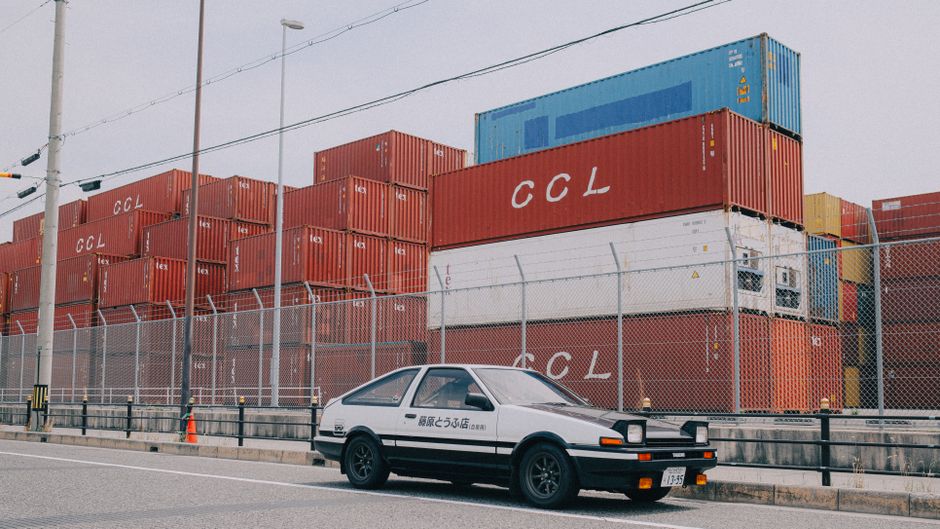
Ottawa drivers already on edge about surging auto theft rates across Ontario and Quebec now have fresh cause for concern, after a sweeping CBC investigation revealed that numerous Montreal exporters have been shipping stolen vehicles to buyers overseas, and the pipeline may stretch far beyond Montreal's city limits.
What the CBC Investigation Found
The CBC investigation into Montreal's car export industry uncovered a troubling pattern: multiple businesses operating in the city had been using export channels to move stolen vehicles out of Canada. In one striking case, police raided a Montreal mattress company and discovered stolen cars hidden on the premises, a sign of how creatively criminal networks have disguised their operations.
Authorities confirmed that several Montreal-based exporters had shipped stolen vehicles to international destinations, exploiting gaps in export oversight to launder cars out of the country before owners or insurers could track them down.
Why Ottawa Should Be Paying Attention
Auto theft in Canada has become a national crisis, and Ottawa has not been spared. The city has seen a sharp rise in vehicle thefts over the past two years, with police and insurance companies repeatedly warning residents about organized theft rings targeting popular SUVs, pickup trucks, and luxury vehicles.
The Montreal investigation is significant for Ottawa for a key reason: stolen vehicles don't stay local. Cars taken off driveways in Barrhaven, Kanata, or Gloucester can end up in a shipping container at a Montreal port within 24 to 48 hours. Once overseas, recovery is nearly impossible.
Ottawa Police and the OPP have previously warned that professional theft rings operate across provincial lines, with networks that span from suburban Ottawa all the way to the Port of Montreal, the busiest container port in eastern Canada and a known vulnerability in the stolen vehicle pipeline.
What Experts Say
Insurance Bureau of Canada (IBC) data shows that vehicle theft cost Canadians over $1.5 billion in 2023, with the problem continuing to escalate. The CBC investigation adds new detail to how the stolen vehicle supply chain actually works, from the theft itself, to transport, to export through seemingly legitimate businesses.
Experts have long called for stronger verification requirements at the export stage, including better coordination between the Canada Border Services Agency (CBSA) and provincial police forces. The Montreal raids suggest those calls are finally getting some traction.
How Ottawa Drivers Can Protect Themselves
While investigations and enforcement work their way through the system, Ottawa car owners can take steps to make their vehicles harder targets:
- Install a steering wheel club or brake lock: low-tech deterrents that slow thieves down
- Use a GPS tracker: improves recovery odds significantly
- Park in well-lit, visible spots whenever possible
- Consider a faraday pouch for key fobs to block relay attack signals on keyless entry vehicles
- Report suspicious activity around vehicles to Ottawa Police at 613-236-1222
The full CBC investigation is available at CBC.ca and is worth a read for any Ottawa driver wondering where stolen vehicles actually end up.
Source: CBC News investigation into Montreal's stolen vehicle export industry.

