Ottawa's fashion-conscious residents are increasingly caught between two competing realities: the wallet-friendly convenience of fast fashion and the growing pressure to shop more sustainably. A new piece from The Charlatan, Carleton University's independent student newspaper, digs into what it actually means, financially and practically, to make the swap.
The Real Cost of 'Ethical' Shopping
Sustainable fashion brands often come with sticker shock. Where a fast fashion retailer might sell a basic T-shirt for $10, an ethically made equivalent can run $50 or more. For students and young professionals, a demographic that makes up a huge chunk of Ottawa's population. That gap is hard to ignore.
The Charlatan's piece highlights that the premium isn't arbitrary. Ethical production means fair wages for garment workers, environmentally responsible materials, and smaller production runs. All of that costs money. The question is who bears that cost, and whether consumers in Ottawa and across Canada are ready to absorb it.
Fast Fashion's Hidden Price
Supporters of sustainable fashion argue that fast fashion's low prices are deceptive. The real costs are externalized: underpaid overseas workers, pollution from synthetic dye runoff, and mountains of textile waste that end up in landfills. Globally, the fashion industry is responsible for roughly 10% of annual carbon emissions, more than all international flights and maritime shipping combined.
For Ottawa shoppers, this framing reframes the question. It's not "can I afford sustainable fashion?" but rather "what am I really paying for when I buy cheap?".
What Ottawa Shoppers Are Actually Doing
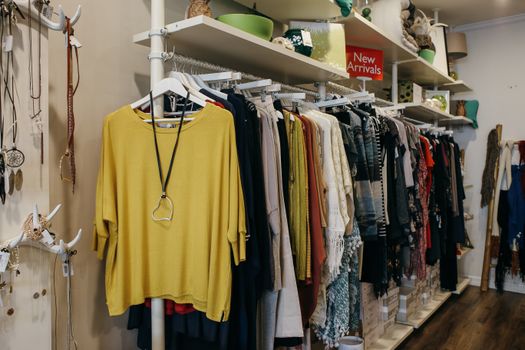
Thrift shopping has surged in Ottawa in recent years as a middle-ground option, secondhand stores and apps like Depop or Facebook Marketplace let buyers avoid fast fashion without paying full sustainable-brand prices. Neighbourhoods like Hintonburg, Wellington West, and the Glebe have seen a boom in vintage and consignment shops catering to style-minded locals who want to shop more responsibly.
Many Ottawa residents are also turning to a "buy less, buy better" philosophy, investing in a few high-quality pieces rather than refreshing a wardrobe seasonally. It's a shift in mindset as much as a shift in spending.
The Student Perspective
For Carleton and uOttawa students navigating tight budgets, the sustainable fashion conversation is especially loaded. Buying ethically feels like a privilege of the financially comfortable. The Charlatan's coverage brings an important voice to this debate: young people who care about the environment but can't always afford to act on those values in the checkout line.
Some students are finding workarounds, clothing swaps, capsule wardrobes, and supporting local Ottawa makers who produce in small, responsible batches.
Where to Start in Ottawa
If you're looking to dip a toe into more sustainable style without blowing your budget, Ottawa has options. Check out:
- Value Village and Talize for affordable secondhand finds
- Hintonburg and Westboro boutiques for locally made pieces
- Ottawa Clothing Swap events on Facebook for free wardrobe refreshes
- The Depop and Poshmark apps for curated secondhand shopping from home
The transition doesn't have to be all-or-nothing. Even small shifts, buying one less fast fashion item per month, choosing secondhand first, add up over time.
Source: The Charlatan, Carleton University's independent student newspaper