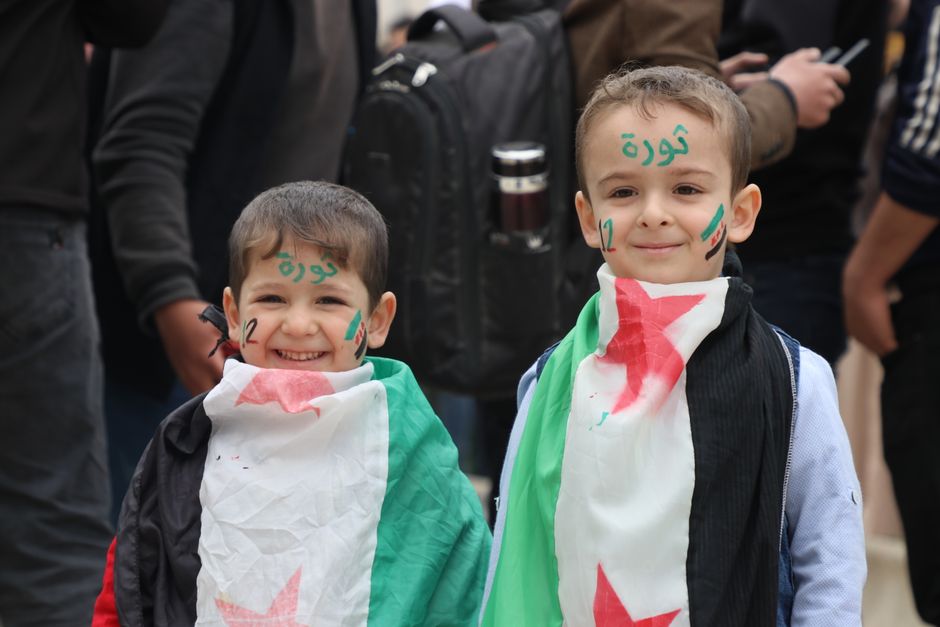
Ottawa residents with ties to Syria are processing devastating news this week after it was confirmed that six children abducted by the Assad regime over a decade ago are believed to be dead, a heartbreaking development that hits close to home for the thousands of Syrian refugees who rebuilt their lives in the National Capital Region.
What Happened to the Al-Abbasi Family
In 2013, Rania Al-Abbasi, her husband, and their six children were detained by Syria's former Assad regime. While Rania and her husband were eventually released, their six children, ages ranging from toddlers to early teens at the time of their disappearance. Were taken and never returned.
For more than a decade, the family held onto hope. Now, Syrian authorities say investigations have unveiled what many feared: the six children are believed to be dead. The family has confirmed the findings, bringing a grim end to a years-long search that captured international attention.
A Wound That Runs Deep in Ottawa
Ottawa is home to one of Canada's largest Syrian refugee communities. Between 2015 and 2016 alone, Canada resettled over 25,000 Syrian refugees, with the Ottawa region welcoming hundreds of families fleeing exactly the kind of violence the Al-Abbasi children were subjected to.
For many in Ottawa's Syrian diaspora, this story is not distant news. It is personal. Families here know people who were detained, disappeared, or killed by the Assad regime. The confirmation of these children's deaths reopens wounds that never fully healed.
Local settlement organizations such as the Catholic Centre for Immigrants and the Ottawa Community Immigrant Services Organization (OCISO) have long supported Syrian newcomers through the trauma of what they left behind. The kind of loss confirmed this week is precisely what many of their clients carry.
Forced Disappearances as a Weapon
Human rights organizations have documented tens of thousands of cases of enforced disappearances carried out by the Assad regime. Families were often given no information about whether their loved ones were alive, dead, or where they were being held, a deliberate tactic to terrorize civilian populations.
The Al-Abbasi case drew particular international attention because the victims were children. Rania's story was amplified by advocacy groups for years, making it one of the more publicly known cases of the regime's systematic cruelty.
With Assad's fall in late 2024, Syrian authorities have begun investigating detention sites, mass graves, and records left behind, a process that, while necessary, is producing confirmation after painful confirmation of feared deaths.
What Comes Next
For survivors and diaspora communities like Ottawa's, justice and accountability remain distant goals. International tribunals and documentation efforts continue, but for families like the Al-Abbasis, no legal outcome can undo the loss.
What this moment calls for, in Ottawa and across Canada, is continued support for Syrian newcomers navigating grief, documentation of crimes for future accountability, and a renewed commitment to the refugee protection principles that brought so many Syrians safely to Canadian soil.
Source: CBC News. This story was originally reported by CBC's international desk.

