Ottawa's reputation as a technology hub has, for decades, been anchored to one stretch of suburban pavement: March Road in Kanata. It was here that Silicon Valley North earned its nickname, where giants like Nortel, Mitel and a generation of telecom pioneers built sprawling campuses and seeded thousands of careers. But the map of where Ottawa actually builds its technology is being quietly redrawn, and the new clusters are nowhere near that famous road.
A scene that outgrew its suburb
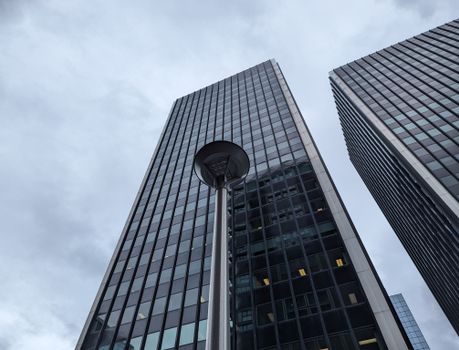
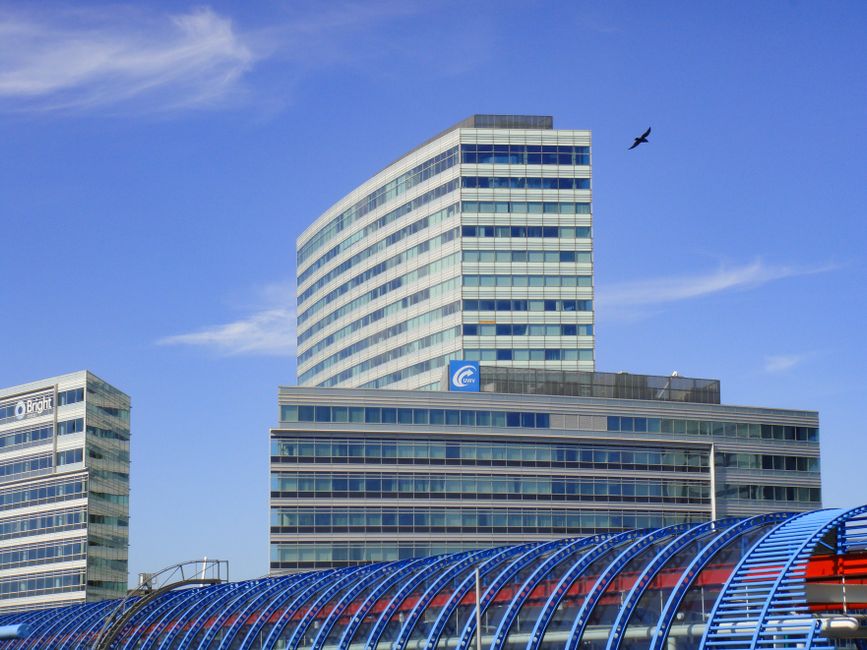
The shift reflects how the industry itself has changed. The hardware-heavy telecom era that made Kanata famous gave way to software, cloud services, cybersecurity and artificial intelligence, businesses that no longer need vast lab space or proximity to a single anchor employer. A founder writing code and shipping a product to customers worldwide can do it from anywhere with good internet and the right talent nearby. Increasingly, that means downtown, Centretown, and the neighbourhoods closer to the city's core.
That geographic spread matters for Ottawa. When the tech economy lived almost entirely in one suburb, the benefits, high-paying jobs, spin-off companies, commercial investment, concentrated there too. As clusters emerge in other parts of the city, more of Ottawa shares in the upside, and the talent pool widens to include people who never wanted the commute out to Kanata in the first place.
Where the new energy is
The downtown core has become a magnet for startups that want to sit close to federal departments, universities and the kind of walkable, transit-connected environment younger workers prefer. Cybersecurity and govtech firms in particular have found a natural home near the people and institutions they serve. Meanwhile, the presence of Carleton University, the University of Ottawa and Algonquin College keeps feeding a steady stream of graduates into companies that increasingly want to be near campus, not 25 kilometres away.
The result is less a single Silicon Valley North and more a network of smaller, specialized pockets, each shaped by the talent, real estate and institutions around it. That kind of distributed ecosystem is harder to point to on a map, but it can be more resilient. When one sector slows, the city is no longer betting everything on a single corridor.
What it means for the city
For Ottawa residents, the changing geography of tech is more than an economic curiosity. It influences where new office space gets built, which neighbourhoods see investment, and where the next generation of well-paid jobs lands. It also reframes a story the city has told about itself for 40 years. March Road isn't disappearing, Kanata remains home to major employers and plenty of innovation, but it's no longer the whole story.
The takeaway for anyone watching Ottawa's economy is that the city's tech identity is maturing. The clusters of tomorrow are being planted in places the original Silicon Valley North pioneers might never have predicted, and that diversity may be exactly what keeps Ottawa competitive in the years ahead.
Source: Ottawa Business Journal (obj.ca)