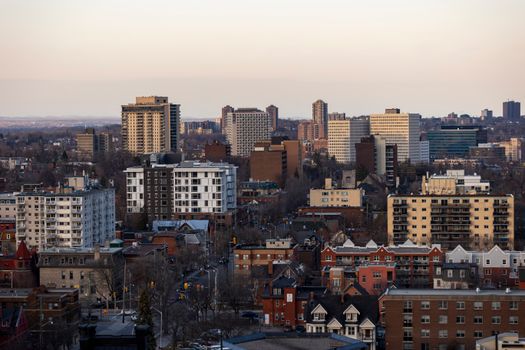
Ottawa real estate investors watching Toronto's condo market meltdown in 2025–2026 are drawing important lessons for their own capital city decisions. Toronto's condo glut, the largest inventory surplus since the 1990s, didn't happen overnight, and understanding why matters for Ottawa investors considering similar property types.
Toronto's Condo Crisis in Numbers
By early 2026, the Greater Toronto Area has approximately 27,000 unsold new condo units in inventory, an all-time record. An additional 50,000+ resale condo listings are competing for a buyer pool that has contracted significantly since peak 2021 activity.
Average Toronto condo prices have declined 12%–18% from their 2022 peaks. Investors who purchased pre-construction at those peak prices now face occupancy into a market where resale values are $80,000–$150,000 below their purchase prices. Many are choosing to hold and rent, adding to rental supply and suppressing Toronto rents.
How Toronto's Condo Problems Developed
Investor concentration: At the 2021–2022 peak, approximately 60%–70% of pre-construction Toronto condo buyers were investors, not end users. This investor concentration created artificial demand that evaporated when rate increases crushed cash flow.
Pre-construction surplus: Thousands of pre-construction purchases made at inflated prices are now completing into a softer market, creating a wave of distressed resales.
Carrying costs: Toronto investors holding condos through negative cash flow periods (some losing $2,000–$3,000/month) are reaching their pain tolerance and listing regardless of market timing.
What Ottawa's Market Looks Like by Comparison
Ottawa's condo market has not experienced a Toronto-style glut for several key reasons:
Lower investor concentration: Ottawa's condo investor share is estimated at 35%–45%, meaningful but not the dominant buyer profile seen in Toronto.
Smaller pre-construction pipeline: Ottawa has fewer speculative towers in its development pipeline. Projects like those in Lebreton Flats and along the LRT are moving at a more measured pace.
Government employment backstop: Ottawa's rental demand from government employees and university students provides a more stable floor under rental absorption.
Lower absolute prices: Ottawa condo investors started from a lower purchase price, meaning carrying costs, while still often negative, are less catastrophic than Toronto.
What Ottawa Investors Should Learn from Toronto
The Toronto situation is a warning about investor-driven over-concentration. Ottawa buyers considering condo investment should scrutinize:
- What percentage of units in the building are investor-owned versus owner-occupied
- Whether the building's condo fees are realistic or underestimated
- The pre-construction pipeline for competing supply in their Ottawa neighbourhood
Ottawa is not immune to oversupply. It's just further from the edge. Toronto's experience should inform Ottawa investor caution, particularly in the condo segment.