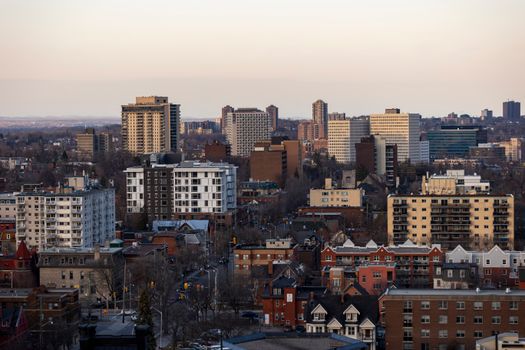
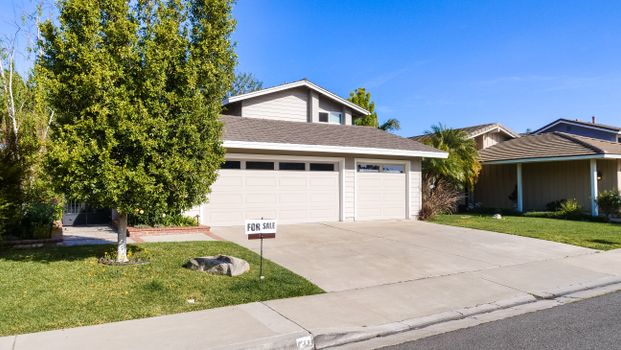
Ottawa has watched neighbouring Toronto become increasingly unaffordable for middle-income families, while Halifax quietly transformed into one of Canada's most talked-about housing markets. The Toronto-Halifax dynamic reflects a broader national shift reshaping where Canadians choose to plant roots.
Toronto: Still Stubbornly Expensive
The Toronto Regional Real Estate Board pegs the average home price in the Greater Toronto Area at approximately $1.07 million in early 2026. Detached homes within the 416 are virtually inaccessible for first-time buyers, with the average detached topping $1.4 million. Semi-detached homes, once considered the affordable compromise, now average around $1.1 million.
Condos remain the primary entry point at roughly $680,000 for a one-bedroom, though carrying costs with current interest rates push monthly payments well above $3,500. The city's housing supply challenges persist despite provincial density legislation.
Halifax: East Coast No Longer a Bargain
Halifax entered the pandemic era with benchmark prices under $350,000. By early 2026, the Nova Scotia Association of Realtors reports average prices around $580,000, a staggering 65% increase in five years. Remote work migration, Atlantic immigration targets, and relatively limited housing supply have all contributed.
Yet Halifax still offers value by Toronto or Ottawa standards. A detached home in established neighbourhoods like Fairview or Clayton Park runs $500,000–$650,000. The lifestyle proposition, ocean proximity, lower cost of living, growing tech and creative sectors, continues to attract Ontario transplants.
Ottawa's Position in the Middle
Ottawa's benchmark sits near $650,000, making it more affordable than Toronto but now comparable to Halifax in many segments. What distinguishes Ottawa is job market depth, federal employment provides recession-resistant income stability that Halifax cannot match at scale.
Ottawa also offers better transit investment, the LRT expansion, and proximity to Montreal and Toronto for weekend access to larger urban amenities. Halifax buyers accept geographic isolation as part of the lifestyle tradeoff.
Renting vs Buying: The Comparison
In Toronto, average monthly rent for a one-bedroom sits near $2,400. In Halifax, it's approximately $1,850, cheaper, but not dramatically so given Halifax salaries lag Toronto by 15–25% in most sectors. Ottawa's rental average for a one-bedroom runs about $1,950.
Who Should Go Where?
Buyers seeking urban density, career mobility, and long-term appreciation should weight Toronto despite the pain. Those prioritizing lifestyle, outdoor access, and manageable debt loads increasingly look to Halifax. Ottawa remains the practical middle: good careers, reasonable prices, and a city that actually functions.
The Toronto-Halifax divide is ultimately a values question as much as a financial one.