Ottawa, as the seat of federal government, has a front-row view of one of the stranger side effects of the last few years of Canada-U.S. tension: a surge in homegrown Canadian identity that some argue has been sparked, ironically, by pressure from the White House.
A Bully at the Door
Ottawa Citizen columnist Bruce Deachman raises a provocative question in his latest piece — could Donald Trump, of all people, be the greatest Canadian nation-builder of the 21st century? The argument isn't that Trump has done anything for Canada. It's that facing down a bigger, stronger neighbour with an appetite for annexation talk and tariff threats has forced Canadians to figure out, fast, what actually makes them Canadian.
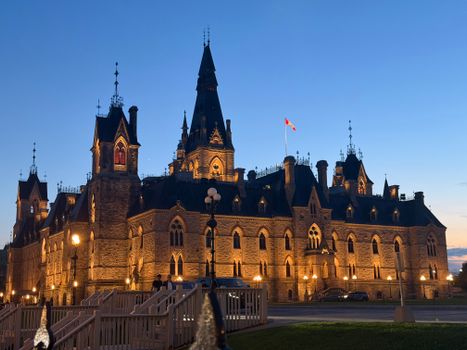
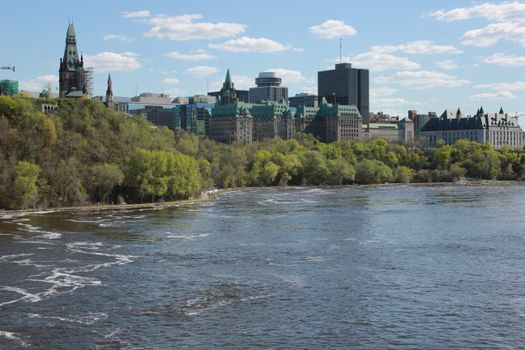
That question lands differently in Ottawa than almost anywhere else. This is a city built around the machinery of federal identity — Parliament Hill, the National War Memorial, the embassies lining Sussex Drive — and it's also a city that shares a river-and-highway relationship with the U.S. border that suddenly feels less like a formality and more like a fault line.
Ottawa's Front-Row Seat
When Trump muses about Canada as a "51st state" or threatens tariffs that would hit Ontario manufacturing and, by extension, the federal jobs and contracts that flow through the capital, it's Ottawa's policymakers who scramble to respond. But the reaction isn't just happening in the halls of government — it's happening at Ottawa dinner tables, in ByWard Market shops swapping out American products for Canadian ones, and at Sens games where a louder-than-usual anthem has become its own small act of defiance.
Deachman's column captures something a lot of Ottawans have felt over the past year: a low hum of patriotism that didn't used to be there, or at least didn't used to be so audible. Flags on porches in neighbourhoods that rarely bothered before. "Buy Canadian" stickers at the grocery store. A weird new instinct to defend a national character that, until recently, most people were content to leave loosely defined.
Nation-Building by Accident
The irony, as Deachman points out, is that this kind of identity-sharpening usually takes a war, a constitutional crisis, or decades of deliberate cultural investment. Instead, it may be taking a next-door neighbour who won't stop poking. For a city like Ottawa — home to the bureaucrats, diplomats, and institutions tasked with actually managing the Canada-U.S. relationship — watching that identity crystallize in real time is a strange kind of front-row seat.
Whether or not history remembers Trump as any kind of "nation-builder," plenty of Ottawa residents will tell you they've thought more about what being Canadian means in the last two years than in the two decades before that.
Story via Bruce Deachman, Ottawa Citizen.