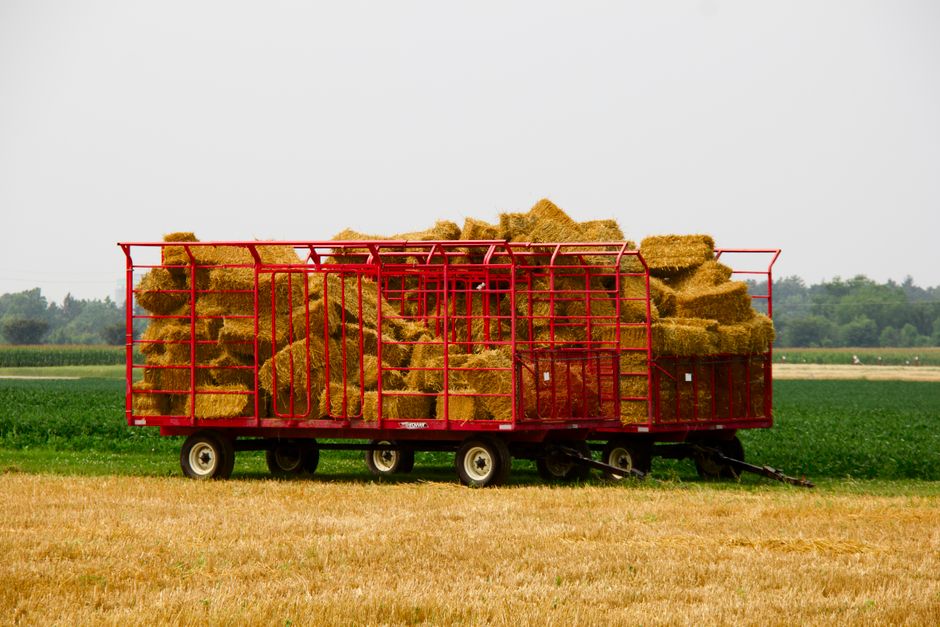
Ottawa Valley farmers are keeping a close eye on Quebec City this week, as Premier Christine Fréchette announced the province will reimburse more than 15,000 farmers for fuel taxes linked to Quebec's cap-and-trade carbon market, a move that's being felt well beyond provincial lines.
What Quebec Is Doing
Fréchette confirmed that millions of dollars will flow back to Quebec's agricultural sector after sustained pressure from farm groups who argued the carbon-linked fuel levies were pushing already thin margins to the breaking point. Fuel is a non-negotiable operating cost for farmers, from tractors and combines to grain dryers and irrigation pumps, and the cumulative tax burden had become a flashpoint in rural Quebec.
The reimbursements are tied specifically to Quebec's carbon market, a cap-and-trade system distinct from the federal carbon pricing backstop that applies in most other provinces, including Ontario.
Why Ottawa-Area Farmers Are Watching
For farmers in Renfrew County, Russell, North Grenville, and across the broader Ottawa Valley region, the Quebec announcement lands like a pointed question: why not us?
Ontario operates under the federal carbon price, which includes a rebate mechanism for large industrial emitters but offers comparatively limited direct relief for small and mid-sized farm operations. Agricultural groups like the Ontario Federation of Agriculture have long argued the fuel surcharge hits rural producers disproportionately hard. There's no transit alternative when you're moving equipment across 500 acres.
With Quebec now providing a direct provincial reimbursement, Ontario farm advocates are expected to renew pressure on Queen's Park for equivalent action. The optics are difficult to ignore: two provinces, side by side, with farmers on one side of the Ottawa River getting money back that farmers on the other side are not.
The Bigger Carbon-Agriculture Debate
The tension between carbon pricing and farm viability isn't new, but Quebec's move gives the issue fresh momentum nationally. Federal Agriculture Minister Lawrence MacAulay has faced repeated questions about farm fuel exemptions, and Ottawa has already carved out some relief for on-farm fuel use under the federal backstop, though farm groups say it doesn't go far enough.
For a region like the Ottawa Valley, where agriculture is a cornerstone of the rural economy, any shift in the cost calculus matters. Dairy, beef, grain, and vegetable operations that stretch from Arnprior to the Ontario-Quebec border are all navigating the same squeeze: input costs up, commodity prices uncertain, and fuel bills compounding everything.
What Comes Next
Whether Ontario follows Quebec's lead remains to be seen. The provincial government hasn't signaled any parallel reimbursement program, but the political pressure to act, particularly ahead of any federal or provincial election cycle, tends to move quickly when a neighbouring province sets a visible precedent.
For now, Ottawa Valley farmers are watching, calculating, and waiting.
Source: CBC Ottawa / CBC Montreal via RSS

