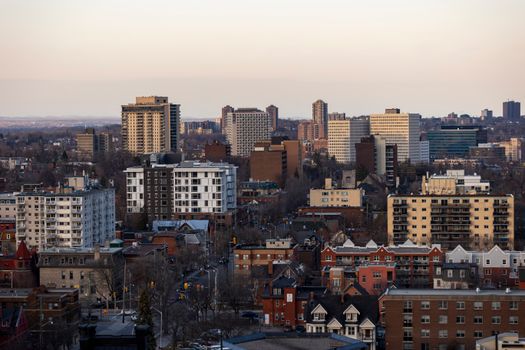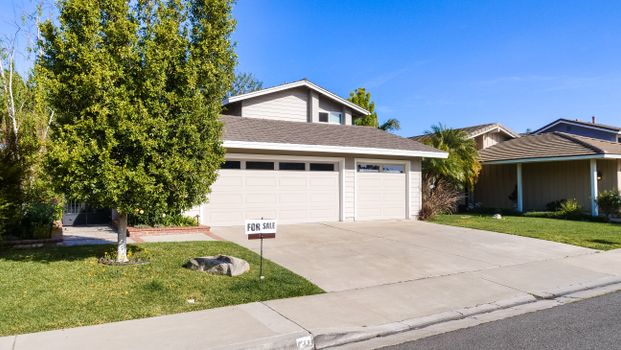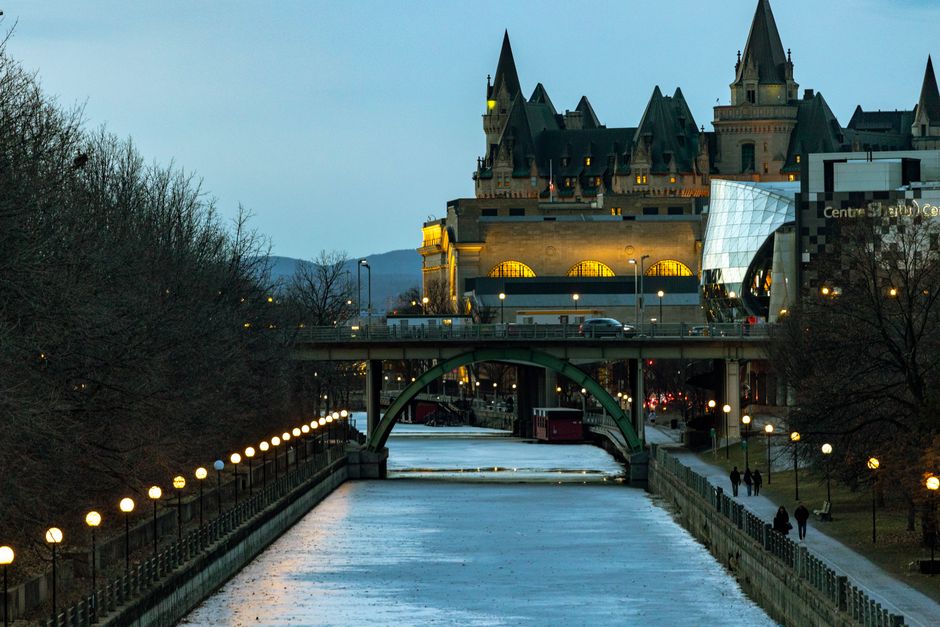
Ottawa sits at approximately $650,000 for an average home in early 2026, a price that would buy a buyer in Saskatoon an exceptional detached home with room to spare. The Ottawa-Saskatoon comparison is less common than the Ottawa-Toronto or Ottawa-Calgary discussions, but it reveals something important about value migration happening across Canada's housing landscape.
Ottawa's Stable Premium
Ottawa's housing costs reflect the city's status as Canada's capital: a stable, high-income, bilingual workforce anchored by federal government employment and a growing technology sector. Kanata North has established itself as one of Canada's strongest tech corridors. Shopify, Nokia, Ciena, and dozens of scale-up companies have built or expanded Ottawa operations.
For buyers, $650,000 in Ottawa purchases a detached home in outlying areas like Barrhaven, Riverside South, or Orléans, or a semi-detached property in established Centretown or the Glebe. Condos in the core start around $400,000–$500,000. The market has moderated from 2022 peaks but remains competitive for well-priced properties.
Saskatoon's $375,000 Opportunity
Saskatoon's average home price of approximately $375,000 makes it one of Canada's most overlooked real estate values. The city of roughly 330,000 is Saskatchewan's largest urban centre and has invested heavily in civic infrastructure: a new downtown arena, a revitalized riverbank, and a growing University of Saskatchewan research campus that anchors tech and agricultural innovation.
For $375,000 in Saskatoon, buyers access detached homes in established neighbourhoods like Nutana or Varsity View, mere minutes from the university and downtown. Young families drawn to affordability and space increasingly appear in Saskatoon's buyer pool, arriving from BC and Ontario.
Saskatchewan's No-Land-Transfer-Tax Advantage
One underappreciated Saskatoon advantage is Saskatchewan's absence of a provincial land transfer tax, a significant saving compared to Ontario, where land transfer taxes in Ottawa can add $8,000–$12,000 to closing costs on a typical purchase.
The Population and Economy Question
Ottawa's approximately 1.1 million population dwarfs Saskatoon's 330,000, and the gap in economic complexity is significant. Ottawa's federal government, embassies, research institutes, and tech sector create career depth that Saskatoon's agricultural, mining, and university-driven economy does not yet replicate at scale.
For professionals with location flexibility, remote workers, retirees, or those in transferable fields. Saskatoon's value proposition is compelling. For those whose careers require Ottawa's specific ecosystem, the price premium buys access to opportunities unavailable elsewhere in Canada.
Investment Comparison
Saskatoon landlords report rental yields of 5–7%, driven by low vacancy and a student rental market near the university. Ottawa landlords more typically achieve 3–4% yields at current price levels. For cash-flow-focused investors, Saskatoon's math is superior even after accounting for lower appreciation potential.
Ottawa buyers who purchased Saskatoon income properties over the past decade have generally seen steady returns, though appreciation has lagged Ontario markets. As Prairie cities attract more national attention, that appreciation story may evolve.
For now, Ottawa's premium remains justified by career opportunity and urban scale, but Saskatoon's case as an undervalued alternative grows stronger each year.