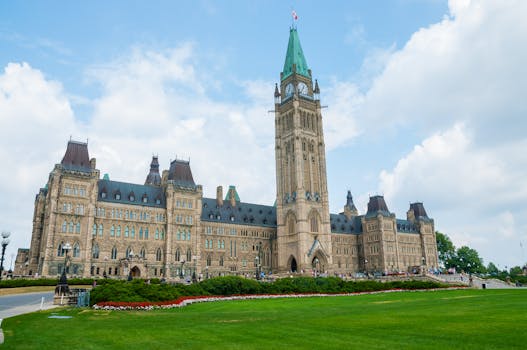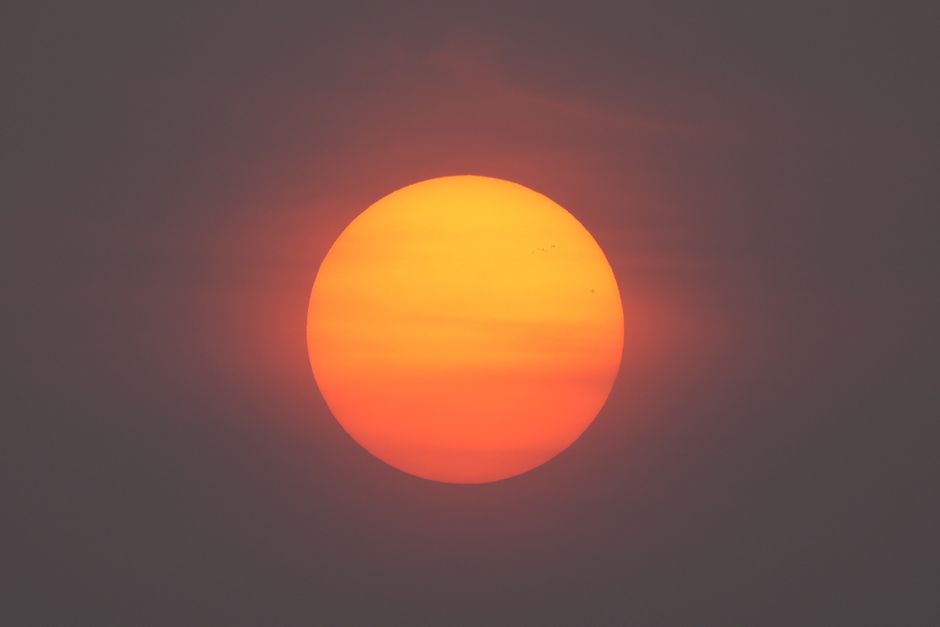
Ottawa residents know the drill by now: you step outside on what should be a clear July afternoon, and the air smells faintly of campfire, the sun looks like a dull orange coin, and Environment Canada has slapped an air quality warning on the forecast. Wildfire smoke has become an unwelcome seasonal visitor to the capital, and this week, new scrutiny out of Toronto is putting a spotlight on why that's unlikely to change anytime soon.
A National Problem With a National Debate
Smoky skies over Toronto have reignited a familiar debate: is this about how governments manage forests, or is it about something bigger? According to scientists cited in a new CBC report, the answer is clear, while forest management practices like controlled burns and better fire suppression can help at the edges, the only true long-term fix for smoke-choked summers across Canada is addressing climate change itself, meaning a serious reduction in fossil fuel emissions.
That's a sobering message for a city like Ottawa, which sits downwind of major fire-prone regions in Northern Ontario and Quebec. When wildfires rage in those areas, as they have with increasing frequency and intensity in recent years, the smoke doesn't respect provincial or municipal boundaries. It settles over the Ottawa Valley just as easily as it does over the GTA.
Why Ottawa Should Pay Attention
Ottawans got a harsh preview of this reality in recent summers, when smoke from wildfires blanketed the city for days at a stretch, pushing air quality into the "high risk" category on Environment Canada's index. Local health officials issued warnings urging residents to limit outdoor activity, and anyone with asthma, heart conditions, or other respiratory sensitivities felt it acutely. Even healthy adults reported scratchy throats, headaches, and that unmistakable campfire smell lingering in their homes for days.
For a city that prides itself on outdoor living, think paddling the Rideau Canal, cycling the Ottawa River pathway, or catching a Bluesfest set under open skies, smoky summers are more than an inconvenience. They're a direct hit to the things that make living here enjoyable, and they raise real questions about what a "normal" Ottawa summer will look like a decade from now.
Forest Management Isn't Enough on Its Own
The scientists interviewed in the report are careful to note that improving how governments manage forests, through prescribed burns, better funding for firefighting crews, and smarter land-use planning, genuinely helps reduce fire risk and severity. But they stress this is playing defence, not offence. As long as the underlying driver of hotter, drier conditions continues unchecked, wildfires will keep growing bigger and more frequent, and the smoke will keep finding its way to cities like Ottawa and Toronto, no matter how well-managed the forests are.
What This Means Going Forward
For Ottawa residents, the takeaway is less about local policy and more about paying attention to air quality alerts, having a plan for smoky days (think air purifiers and N95 masks on hand), and understanding that this is likely to be a recurring feature of Canadian summers rather than a one-off anomaly. The scientific consensus is blunt: better forest management buys time, but it doesn't solve the problem. Only serious, sustained cuts to fossil fuel emissions will.
Source: CBC News