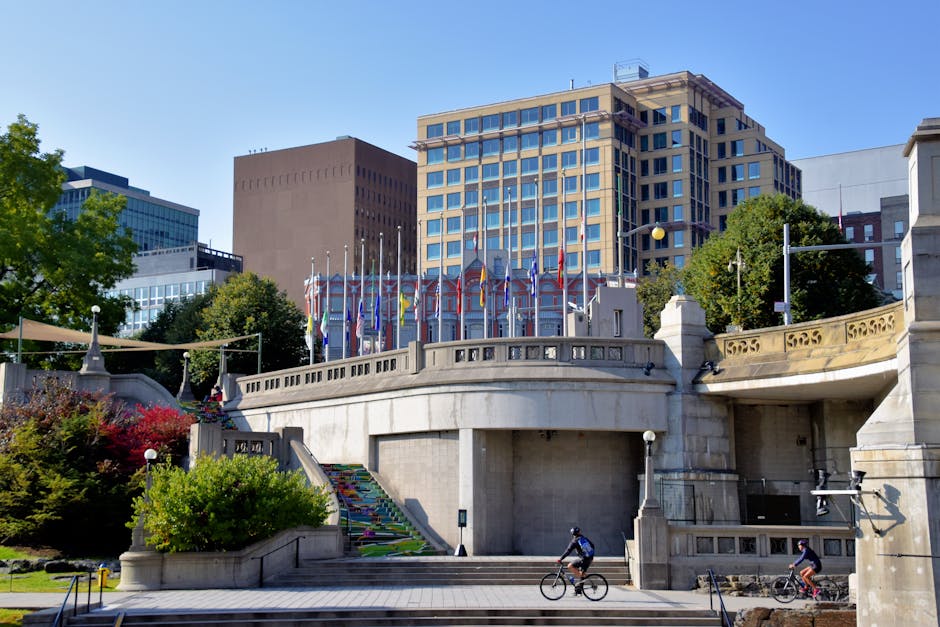
Ottawa streets are blooming with colour this June as the beloved yarn bombing tradition returns for National Deafblind Awareness Month, and this year marks a particularly meaningful milestone.
A Decade-Plus of Awareness
June 2026 marks the 11th anniversary of the Senate of Canada's official declaration of National Deafblind Awareness Month, a recognition that has grown steadily in reach and impact since it was first established. What started as a parliamentary gesture has evolved into a nationwide, and now global, movement, with communities using art, colour, and creativity to spark conversations about the lives of people who are deafblind.
Yarn bombing, the practice of wrapping public infrastructure like benches, trees, lamp posts, and railings in colourful knitted or crocheted coverings, has become one of the most visually striking ways communities show their support. It's warm, tactile, impossible to ignore, and that's exactly the point.
What Is Yarn Bombing?
For the uninitiated, yarn bombing is a form of street art that transforms everyday public spaces into vibrant, textured installations. Unlike traditional graffiti, it's gentle, temporary, and deeply communal, often created by groups of volunteers who gather to knit, crochet, and stitch pieces together before draping them across public spaces.
For Deafblind Awareness Month, the tactile nature of the art form carries extra significance. People who are deafblind experience the world primarily through touch, and yarn bombing creates a physical, sensory experience that connects sighted and non-sighted communities in a shared public moment.
Ottawa Joins a Global Movement
Ottawa is one of many cities participating in this year's yarn bombing installations, joining communities across Canada and internationally in marking the month with colour and craft. Local organizers and volunteers have been busy preparing pieces to be installed at public spots around the city, a reminder that awareness doesn't have to come in the form of a pamphlet or a speech. Sometimes it comes wrapped around a park bench.
The installations are designed to catch your eye and invite you to stop, touch, and think. They often include informational tags or QR codes pointing passersby to resources about deafblindness and the organizations that support the community.
How You Can Get Involved
Whether you're a seasoned knitter or someone who's never picked up a pair of needles, there are ways to participate. Many local organizations welcome donated yarn squares and panels that can be incorporated into larger installations. Attending awareness events, sharing the campaign on social media, or simply stopping to read the information attached to a yarn-bombed post are all meaningful ways to engage.
National Deafblind Awareness Month is also a good time to learn more about organizations like CNIB DeafBlind and Plan Institute, which support individuals and families navigating life with combined vision and hearing loss.
Worth a Stroll This June
If you're out and about in Ottawa this month, keep an eye out for splashes of yarn on the city's trees, fences, and railings. They're more than decoration. They're a reminder that visibility and inclusion take many forms, and that a community's warmth can sometimes be measured in wool.
Source: Ottawa Life Magazine